Skip to content
Φ Philosophy
Why Read Philosophy?
Every philosopher leaves behind ideas, but books are what allow those
ideas to travel across centuries and continue speaking to generations
far removed from the minds that first conceived them. A philosophical
work can preserve an argument, challenge an assumption, introduce an
entirely new way of seeing the world, or simply invite a reader to
question what they have always taken for granted. Whether your interests
lie in
ethics , consciousness, politics,
science, knowledge, or the meaning of life, this library brings together
some of the most influential philosophical works from different
cultures, traditions, and periods of intellectual history. From the
foundational texts of
Ancient Greek philosophy to works of
Indian, Chinese, Islamic, Enlightenment, and modern thought, these books
provide a way to encounter philosophical ideas directly and explore the
questions that have shaped human thought for centuries.
Every generation faces questions about purpose, morality, happiness, and
truth. While the world changes, these questions remain remarkably
constant. Philosophy books preserve the wisdom, debates, and discoveries
of thinkers who devoted their lives to understanding these challenges.
Reading their works allows us to learn not only what they believed but
also how they reasoned, questioned, and searched for truth.
This collection brings together some of the most influential
philosophical works ever written, representing diverse cultures and
schools of thought. Each book offers a unique perspective that invites
readers to think critically, broaden their understanding, and continue a
conversation that has shaped human civilization for over two thousand
years.
📚 Beginner Reading Path
New to philosophy? Start here. These books introduce philosophy without
requiring prior knowledge.
Beginner
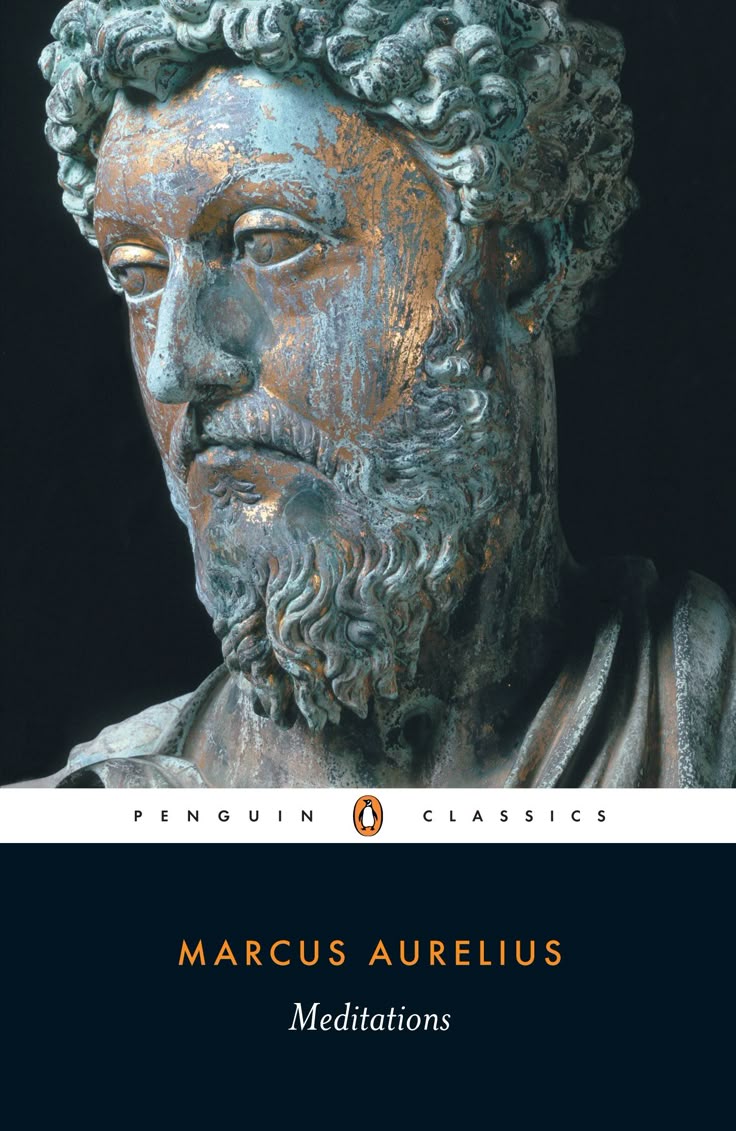
Meditations
Marcus Aurelius
Personal reflections on discipline, Stoicism, resilience, and
inner peace. One of the greatest works of practical philosophy
ever written.
📅 180 AD
🏛 Stoicism
⏱ 6 Hours
⭐ 4.9/5
Difficulty: Easy
📖 Read Online
Beginner
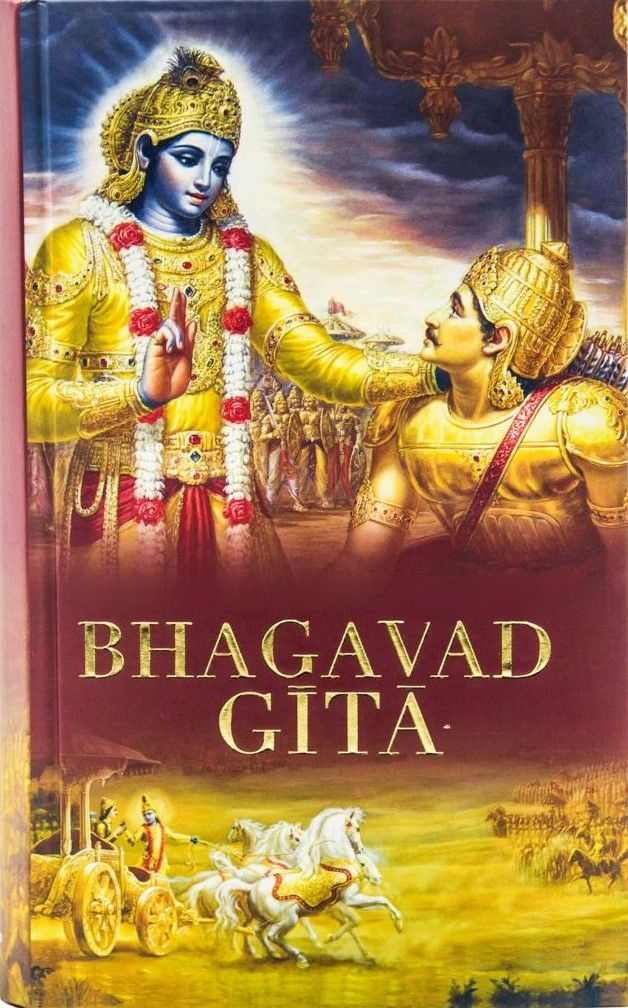
Bhagavad Gita
Vyasa
A timeless dialogue between Krishna and Arjuna exploring duty,
self-realization, devotion, and the purpose of human life.
📅 2nd Century BCE
🏛 Vedanta
⏱ 7 Hours
⭐ 4.9/5
Difficulty: Easy
📖 Read Book
Beginner
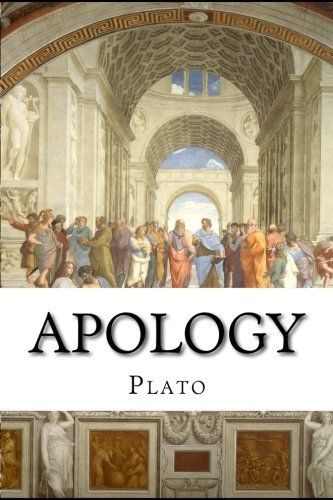
Apology
Plato
Plato's account of Socrates' defense during his trial, introducing
critical thinking, virtue, and the pursuit of truth.
📅 399 BCE
🏛 Classical Greek
⏱ 3 Hours
⭐ 4.8/5
Difficulty: Easy
📖 Read Book
Beginner
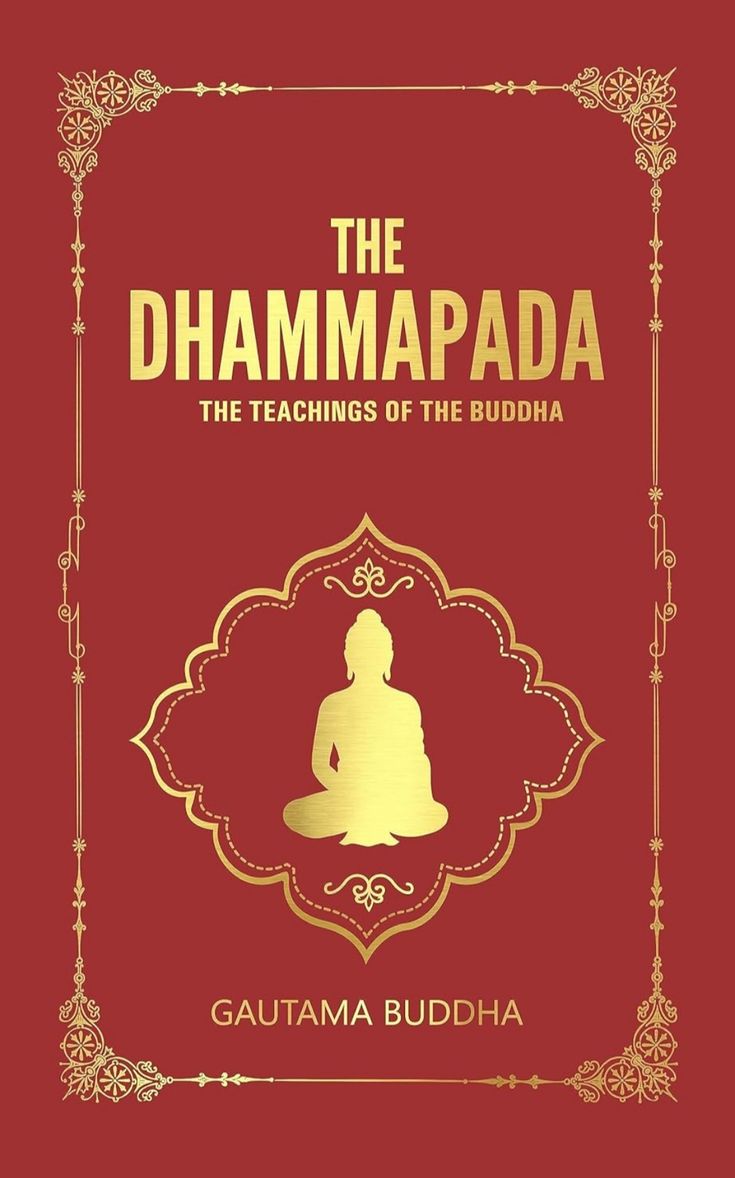
Dhammapada
Gautama Buddha
A collection of Buddha's teachings focused on mindfulness,
compassion, wisdom, and the path toward enlightenment.
📅 3rd Century BCE
🏛 Buddhism
⏱ 5 Hours
⭐ 4.9/5
Difficulty: Easy
📖 Read Book
Beginner
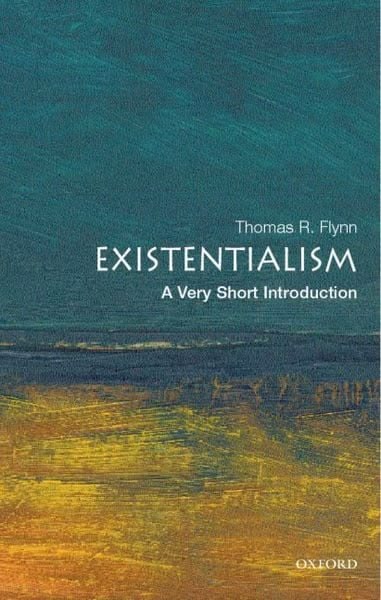
Existentialism Is a Humanism
Jean-Paul Sartre
A clear introduction to existentialism, emphasizing freedom,
responsibility, and creating one's own meaning.
📅 1946
🏛 Existentialism
⏱ 2 Hours
⭐ 4.8/5
Difficulty: Beginner
📖 View Archive
Beginner
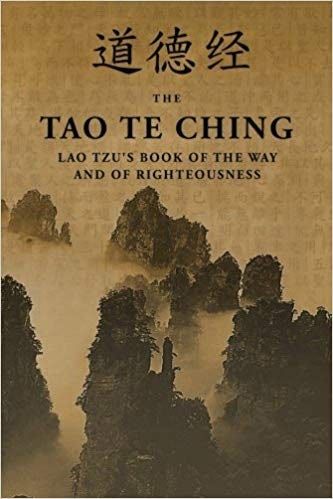
Tao Te Ching
Lao Tzu
A poetic classic of Taoism teaching harmony with nature,
simplicity, humility, and effortless action.
📅 4th Century BCE
🏛 Taoism
⏱ 4 Hours
⭐ 4.8/5
Difficulty: Easy
📖 Read Book
Intermediate
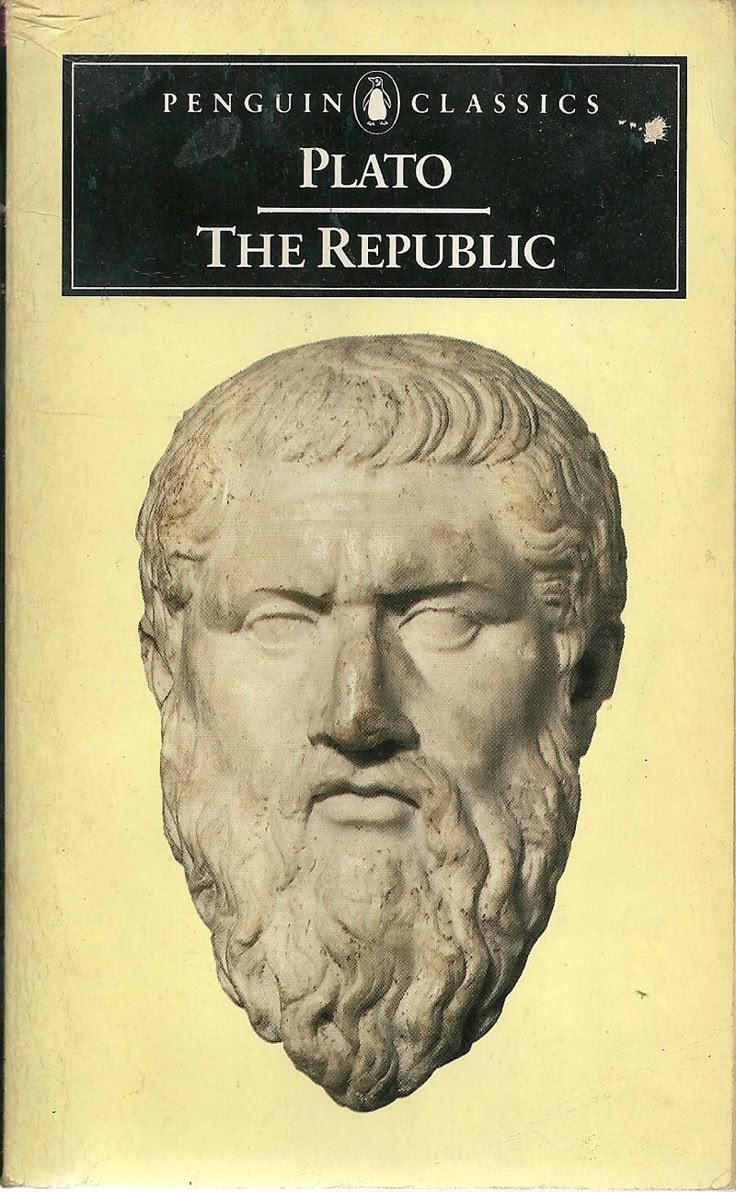
The Republic
Plato
Plato's masterpiece exploring justice, the ideal society,
education, and the qualities of the philosopher king.
📅 375 BCE
🏛 Platonism
⏱ 15 Hours
⭐ 4.9/5
Difficulty: Intermediate
📖 Read Book
Intermediate
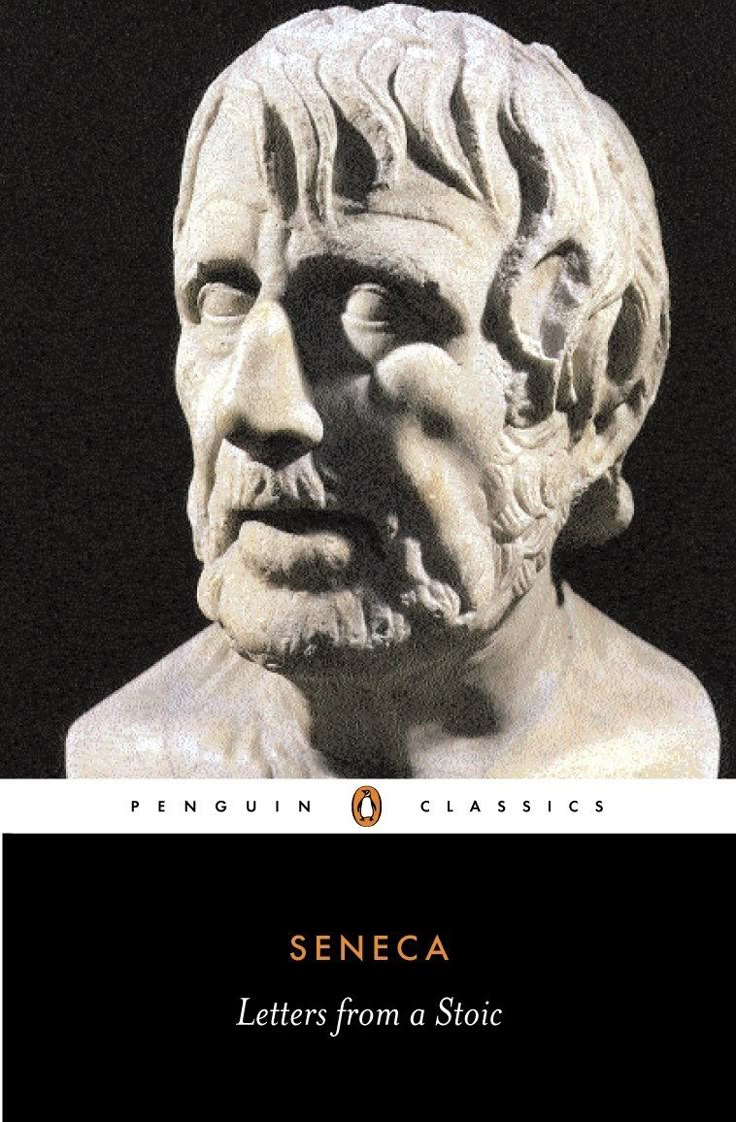
Letters from a Stoic
Seneca
A collection of letters offering timeless advice on resilience,
virtue, emotions, and living a meaningful life.
📅 65 AD
🏛 Stoicism
⏱ 9 Hours
⭐ 4.8/5
Difficulty: Intermediate
📖 View Archive
Intermediate
On Liberty
John Stuart Mill
A classic defense of individual freedom, free speech, democracy,
and the limits of governmental power.
📅 1859
🏛 Liberalism
⏱ 8 Hours
⭐ 4.7/5
Difficulty: Intermediate
📖 Read Book
🏛 Ancient Philosophy Collection
These works laid the foundations of Western philosophy and continue to
influence politics, ethics, science, logic, and education today.
Beginner
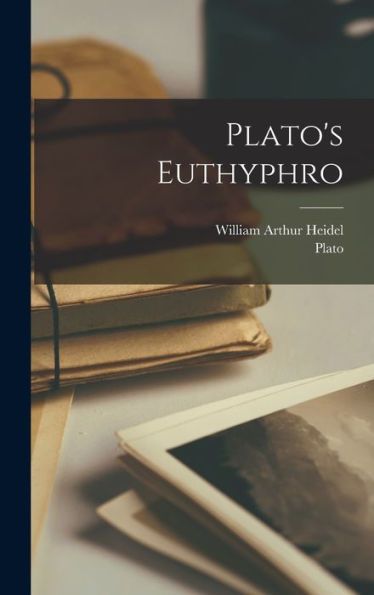
Euthyphro
Plato
A Socratic dialogue exploring the nature of piety, morality, and
the famous Euthyphro dilemma.
📅 c. 399 BCE
🏛 Ancient Philosophy
⏱ 1 Hour
⭐ 4.6/5
Difficulty: Beginner
📖 Read Book
Beginner
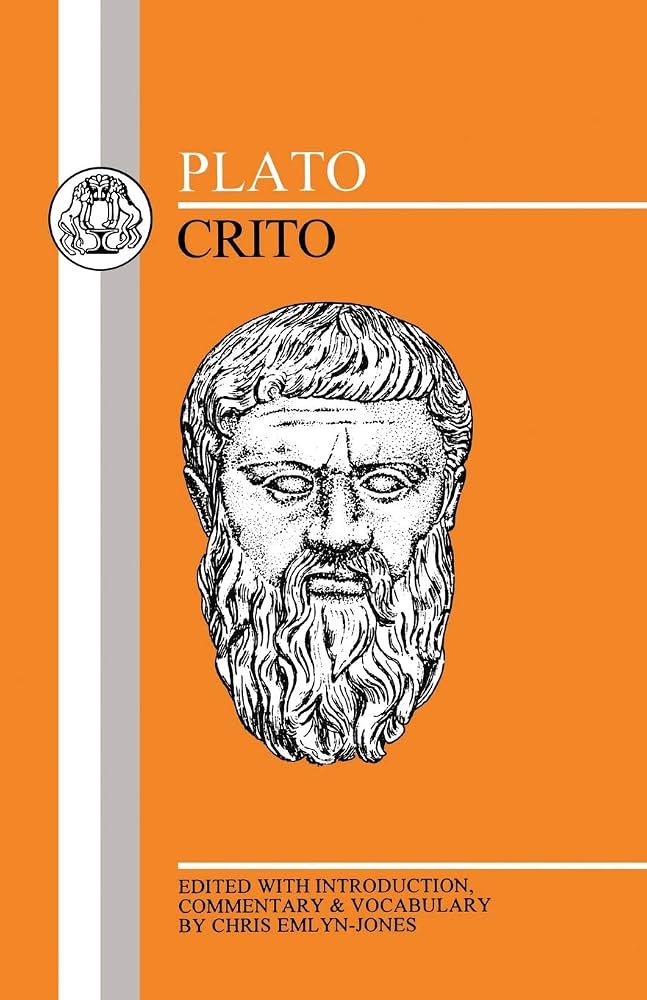
Crito
Plato
A dialogue examining justice, duty, and the moral obligation to
obey the laws of society.
📅 c. 399 BCE
🏛 Ancient Philosophy
⏱ 1 Hour
⭐ 4.6/5
Difficulty: Beginner
📖 Read Book
Beginner
Meditations
Marcus Aurelius
The personal reflections of a Roman emperor on virtue, resilience,
and living according to Stoicism.
📅 c. 180 CE
🏛 Stoicism
⏱ 5 Hours
⭐ 4.8/5
Difficulty: Beginner
📖 Read Book
Beginner
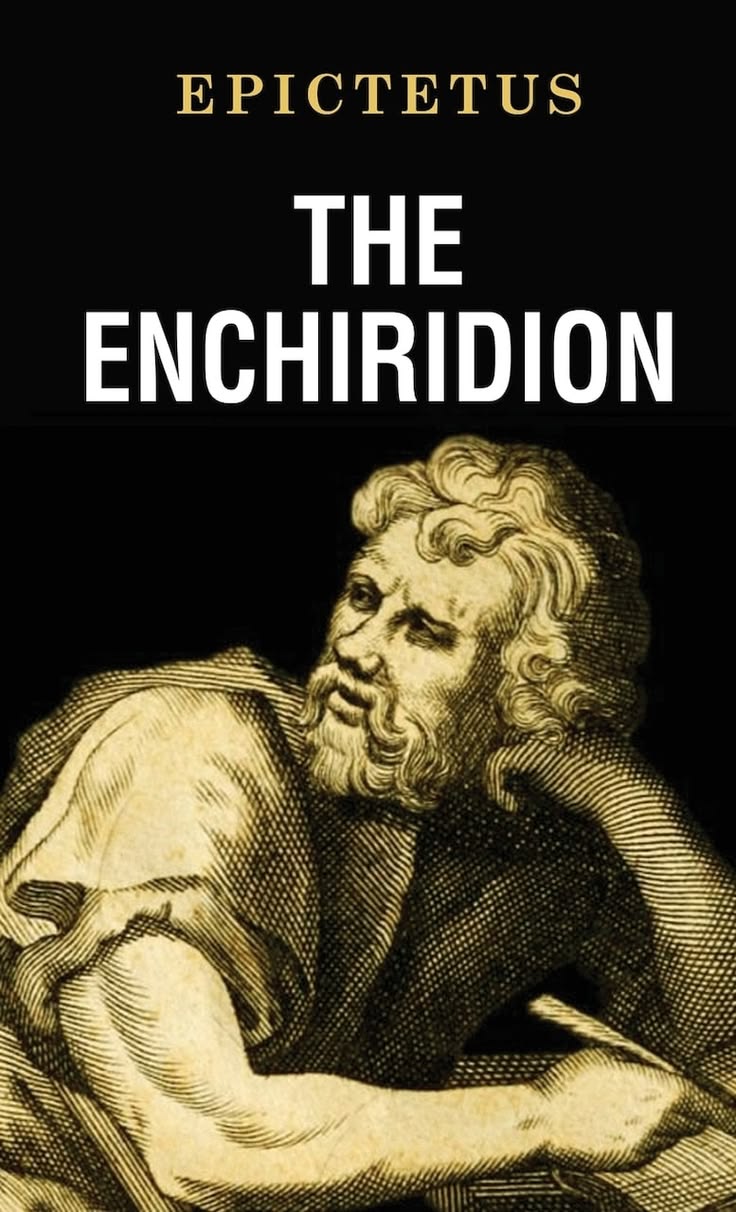
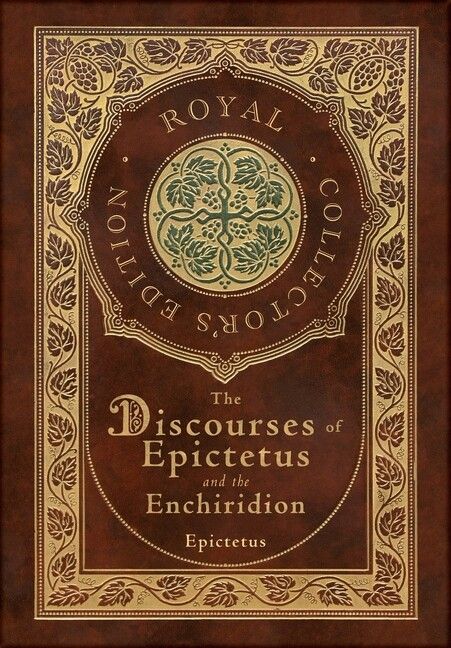
Enchiridion
Epictetus
A concise handbook of Stoic ethics teaching inner freedom,
resilience, and self-mastery.
📅 c. 125 CE
🏛 Stoicism
⏱ 1 Hour
⭐ 4.8/5
Difficulty: Beginner
📖 Read Book
Intermediate
The Republic
Plato
Plato's masterpiece discussing justice, education, political
philosophy, and the ideal state.
📅 375 BCE
🏛 Platonism
⏱ 15 Hours
⭐ 4.9/5
Difficulty: Intermediate
📖 Read Book
Intermediate
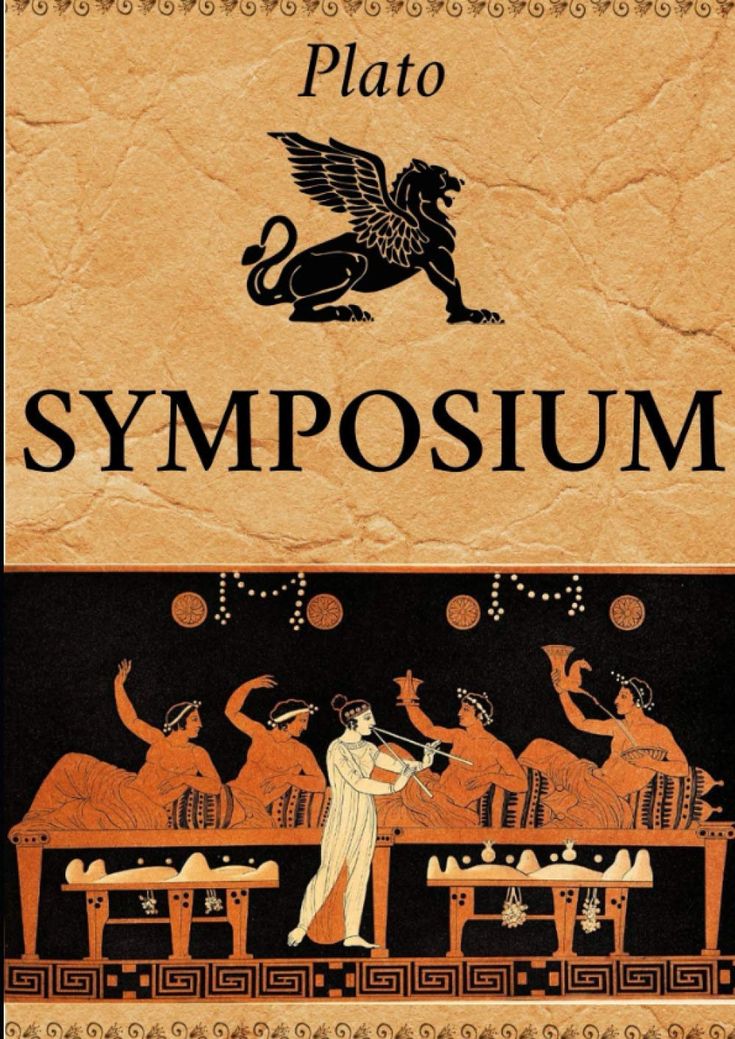
Symposium
Plato
A series of speeches exploring love, beauty, desire, and human
relationships.
📅 385 BCE
🏛 Platonism
⏱ 5 Hours
⭐ 4.8/5
Difficulty: Intermediate
📖 Read Book
Intermediate
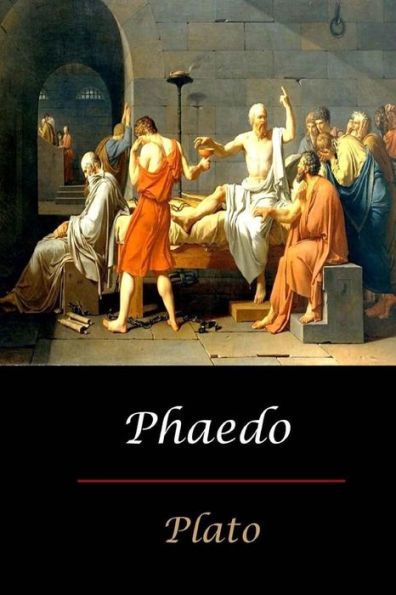
Phaedo
Plato
One of Plato's greatest dialogues discussing the immortality of
the soul.
📅 360 BCE
🏛 Platonism
⏱ 4 Hours
⭐ 4.7/5
Difficulty: Intermediate
📖 Read Book
Intermediate
Nicomachean Ethics
Aristotle
Aristotle's masterpiece on virtue, happiness, and the development
of moral character through reason.
📅 c. 340 BCE
🏛 Ethics
⏱ 8 Hours
⭐ 4.8/5
Difficulty: Intermediate
📖 Read Book
Intermediate
Politics
Aristotle
A foundational work on government, citizenship, justice, and the
nature of the ideal state.
📅 c. 350 BCE
🏛 Political Philosophy
⏱ 8 Hours
⭐ 4.7/5
Difficulty: Intermediate
📖 Read Book
Intermediate
Categories
Aristotle
A foundational work of logic examining language, classification,
and the basic categories of being.
📅 c. 350 BCE
🏛 Ancient Philosophy
⏱ 2 Hours
⭐ 4.5/5
Difficulty: Intermediate
📖 Read Book
Intermediate
Discourses
Epictetus
A collection of Stoic teachings on virtue, self-discipline, and
living in harmony with nature.
📅 c. 108 CE
🏛 Stoicism
⏱ 10 Hours
⭐ 4.8/5
Difficulty: Intermediate
📖 Read Book
Advanced
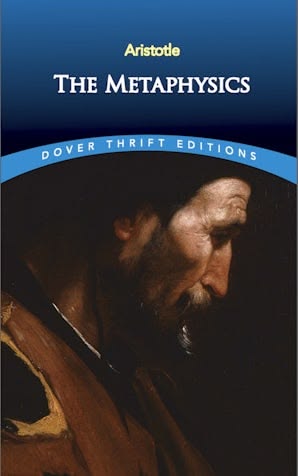
Metaphysics
Aristotle
Aristotle's influential study of being, reality, causation, and
the nature of existence.
📅 c. 340 BCE
🏛 Ancient Philosophy
⏱ 14 Hours
⭐ 4.7/5
Difficulty: Advanced
📖 Read Book
🪷 Indian Philosophy Collection
Spanning more than two millennia, these classics introduce the rich
traditions of Vedanta, Buddhism, Jainism, Yoga, and other schools that
have shaped Indian thought through profound reflections on the self,
duty, liberation, and ultimate reality.
Beginner
Bhagavad Gita
Vyasa
A timeless dialogue between Krishna and Arjuna exploring duty,
self-realization, devotion, and the purpose of human life.
📅 2nd Century BCE
🏛 Vedanta
⏱ 7 Hours
⭐ 4.9/5
Difficulty: Easy
📖 Read Book
Beginner
Dhammapada
Gautama Buddha
A collection of Buddha's teachings focused on mindfulness,
compassion, wisdom, and the path toward enlightenment.
📅 3rd Century BCE
🏛 Buddhism
⏱ 5 Hours
⭐ 4.9/5
Difficulty: Easy
📖 Read Book
Beginner
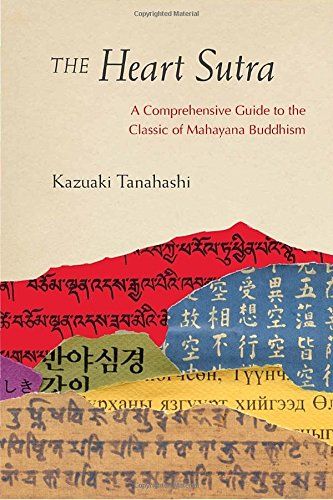
Heart Sutra
Traditional Mahayana Buddhist Scripture
A concise Buddhist text exploring emptiness, wisdom, and the path
toward enlightenment.
📅 c. 1st–6th Century CE
🏛 Indian Philosophy
⏱ 30 Minutes
⭐ 4.8/5
Difficulty: Beginner
📖 Read Book
Intermediate
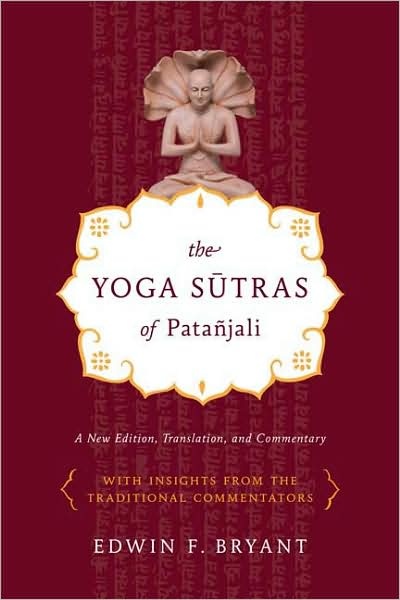
Yoga Sutras
Patañjali
A foundational text on Yoga philosophy, outlining the path to
mental discipline, self-realization, and liberation.
📅 c. 2nd Century BCE–4th Century CE
🏛 Indian Philosophy
⏱ 4 Hours
⭐ 4.8/5
Difficulty: Intermediate
📖 Read Book
Intermediate
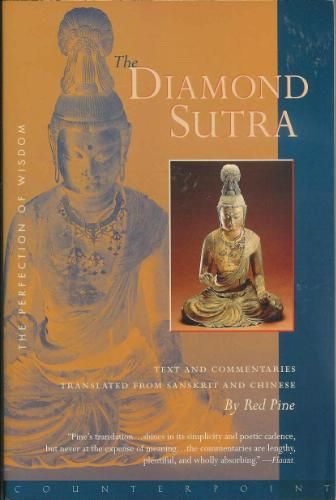
Diamond Sutra
Traditional Mahayana Buddhist Scripture
A classic Buddhist scripture teaching non-attachment, compassion,
and the wisdom of emptiness.
📅 c. 4th Century CE
🏛 Indian Philosophy
⏱ 2 Hours
⭐ 4.8/5
Difficulty: Intermediate
👁 Preview Book
Intermediate
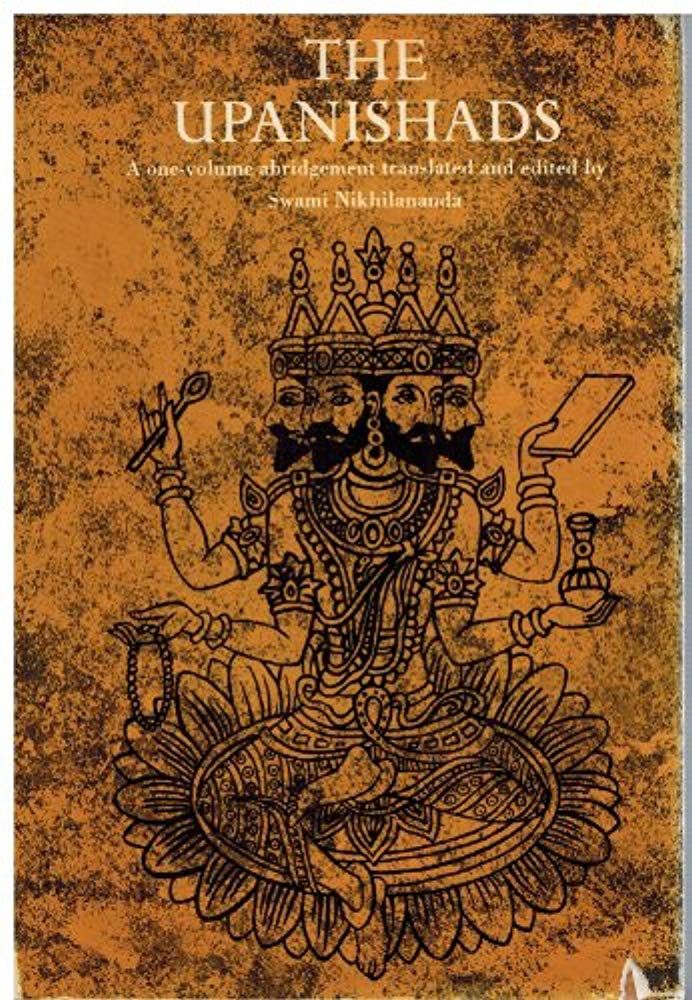
Upanishads
Various Sages
Ancient philosophical texts exploring the nature of the Self
(Atman), Brahman, consciousness, and ultimate reality.
📅 800 BCE
🏛 Vedanta
⏱ 14 Hours
⭐ 4.9/5
Difficulty: Intermediate
📖 Read Book
Intermediate
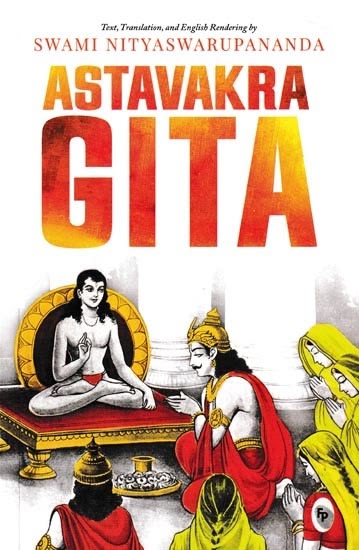
Ashtavakra Gita
Traditionally Attributed to Sage Ashtavakra
A profound dialogue on non-duality, self-knowledge, and liberation
through the realization of the Self.
📅 c. 5th–8th Century CE
🏛 Advaita Vedanta
⏱ 2 Hours
⭐ 4.8/5
Difficulty: Intermediate
📖 Read Book
Intermediate
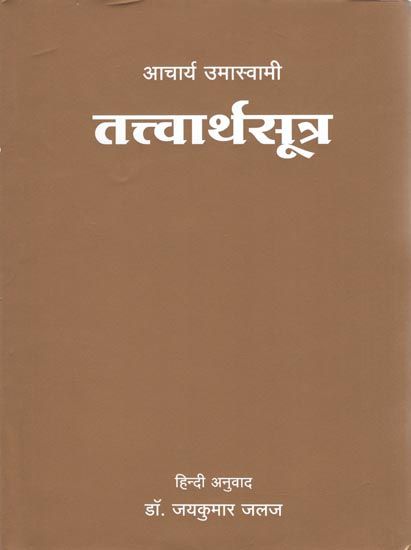
Tattvartha Sutra
Umaswati (Umasvami)
The most authoritative philosophical text of Jainism, explaining
reality, ethics, and liberation.
📅 c. 2nd–5th Century CE
🏛 Jain Philosophy
⏱ 4 Hours
⭐ 4.7/5
Difficulty: Intermediate
📖 Read Book
Advanced
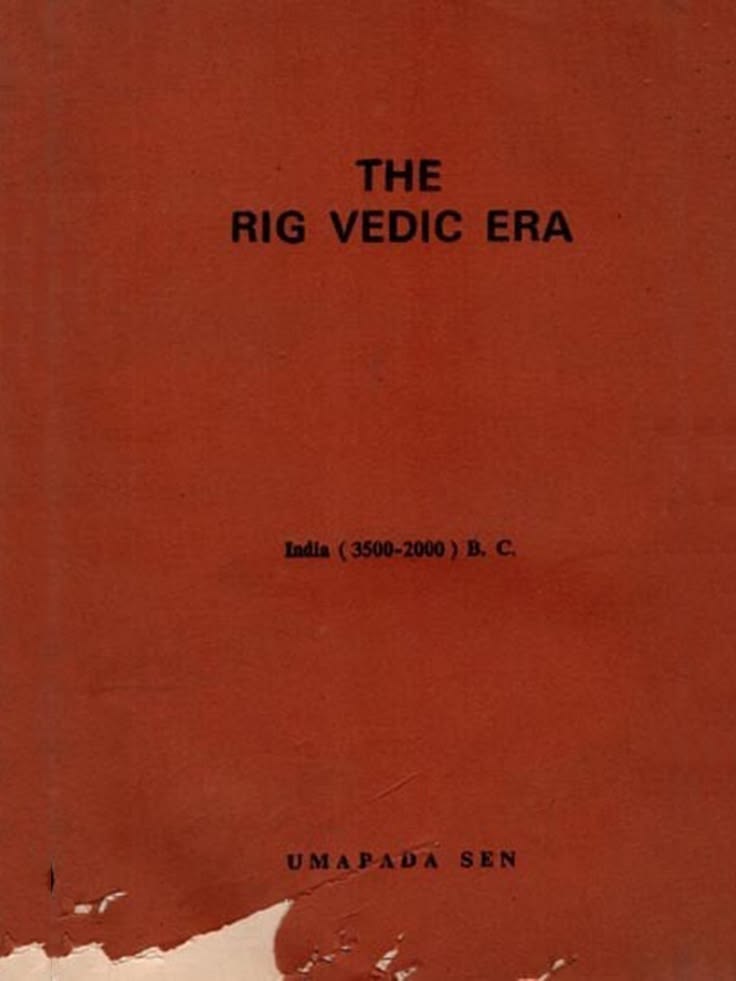
Rig Veda
Ancient Vedic Sages (Rishis)
The oldest of the Vedas, containing sacred hymns that laid the
foundations of Indian philosophy.
📅 c. 1500–1200 BCE
🏛 Indian Philosophy
⏱ 20+ Hours
⭐ 4.8/5
Difficulty: Advanced
📖 Read Book
Advanced
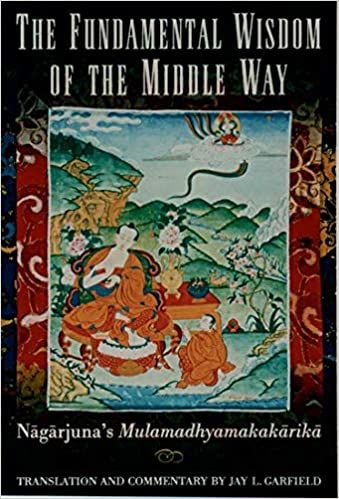
Mulamadhyamakakarika
Nagarjuna
The foundational work of Madhyamaka Buddhism, exploring emptiness,
dependent origination, and reality.
📅 c. 2nd Century CE
🏛 Buddhist Philosophy
⏱ 7 Hours
⭐ 4.8/5
Difficulty: Advanced
📖 Read Book
Advanced
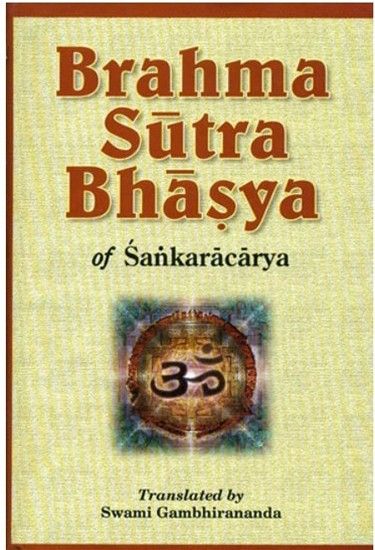
Brahma Sutras
Badarayana
A foundational text of Vedanta philosophy, systematically
examining the nature of Brahman.
📅 c. 400 BCE–200 CE
🏛 Indian Philosophy
⏱ 8 Hours
⭐ 4.8/5
Difficulty: Advanced
📖 Read Book
Advanced
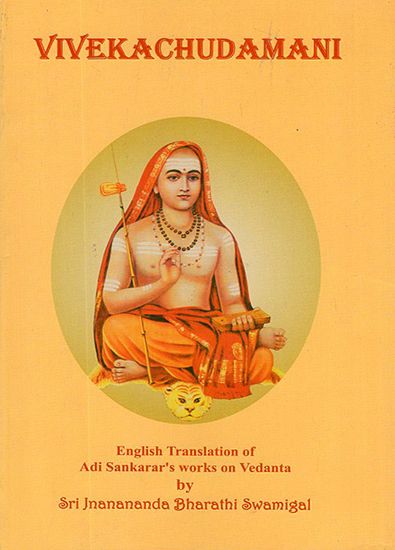
Vivekachudamani
Adi Shankaracharya
A celebrated Advaita Vedanta text emphasizing self-inquiry,
discrimination, and the realization of Brahman.
📅 c. 8th Century CE
🏛 Indian Philosophy
⏱ 6 Hours
⭐ 4.9/5
Difficulty: Advanced
📖 Read Book
☯️ East Asian Philosophy
From the teachings of Confucius and Laozi to the wisdom of Zen and
Bushidō, East Asian philosophy explores harmony, virtue, discipline,
compassion, and the pursuit of a balanced life.
Beginner
Tao Te Ching
Lao Tzu
A timeless guide to living in harmony with the Tao through
simplicity, humility, and effortless action.
📅 4th Century BCE
🏛 Taoism
⏱ 4 Hours
⭐ 4.9/5
Difficulty: Beginner
📖 Read Book
Beginner
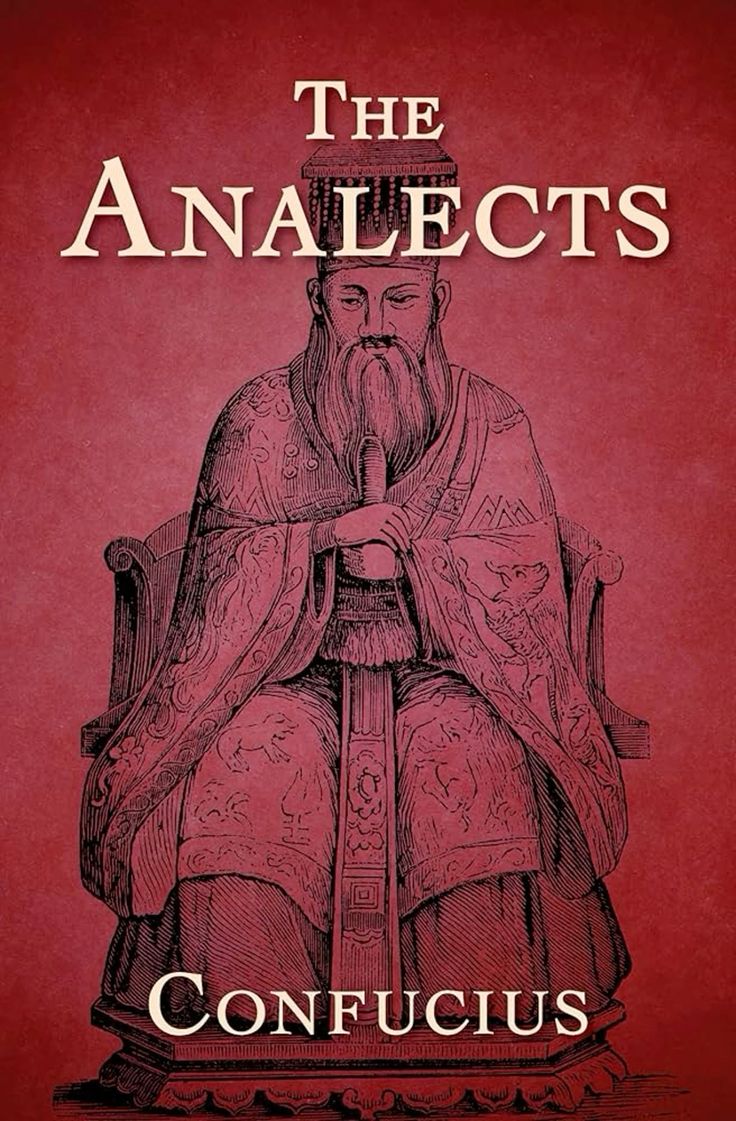
Analects
Confucius
Teachings on ethics, education, leadership, family, and virtuous
living.
📅 475 BCE
🏛 Confucianism
⏱ 6 Hours
⭐ 4.9/5
Difficulty: Beginner
📖 Read Book
Intermediate
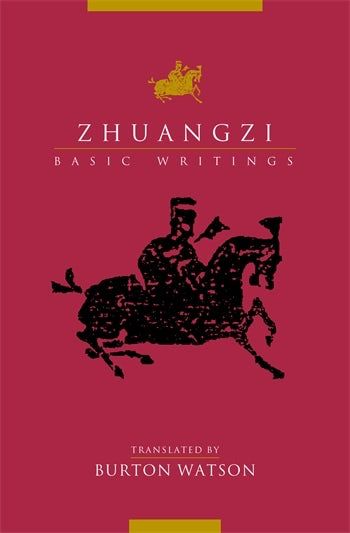
Zhuangzi
Zhuang Zhou
A poetic exploration of freedom, spontaneity, imagination, and
harmony with nature.
📅 3rd Century BCE
🏛 Taoism
⏱ 8 Hours
⭐ 4.8/5
Difficulty: Intermediate
📖 Read Book
Intermediate
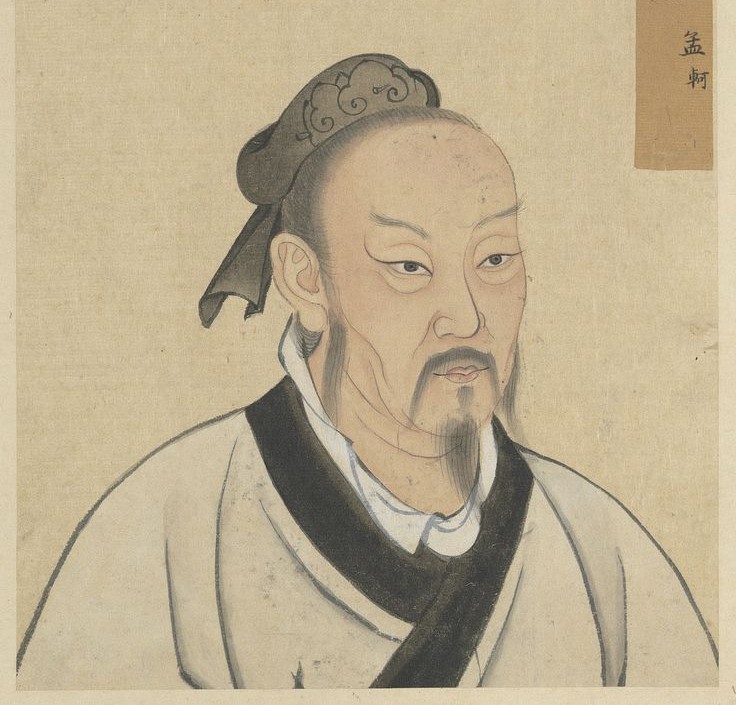
Mencius
Mencius
Explores human goodness, morality, and compassionate government.
📅 372 BCE
🏛 Confucianism
⏱ 7 Hours
⭐ 4.7/5
Difficulty: Intermediate
📖 Read Book
Intermediate
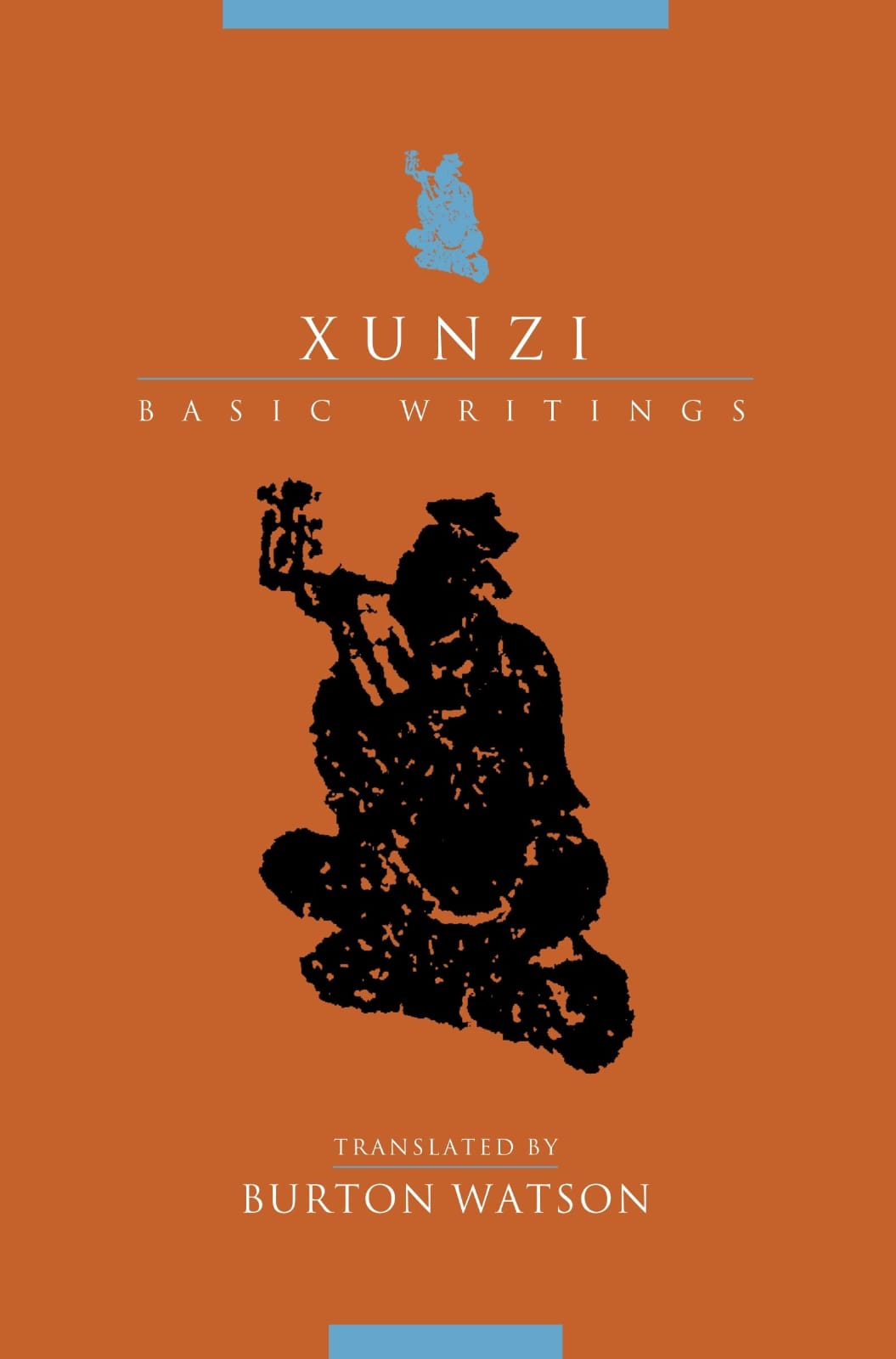
Xunzi
Xunzi
Argues that education, discipline, and ritual transform human
nature.
📅 310 BCE
🏛 Confucianism
⏱ 8 Hours
⭐ 4.6/5
Difficulty: Intermediate
📖 Read Book
Intermediate
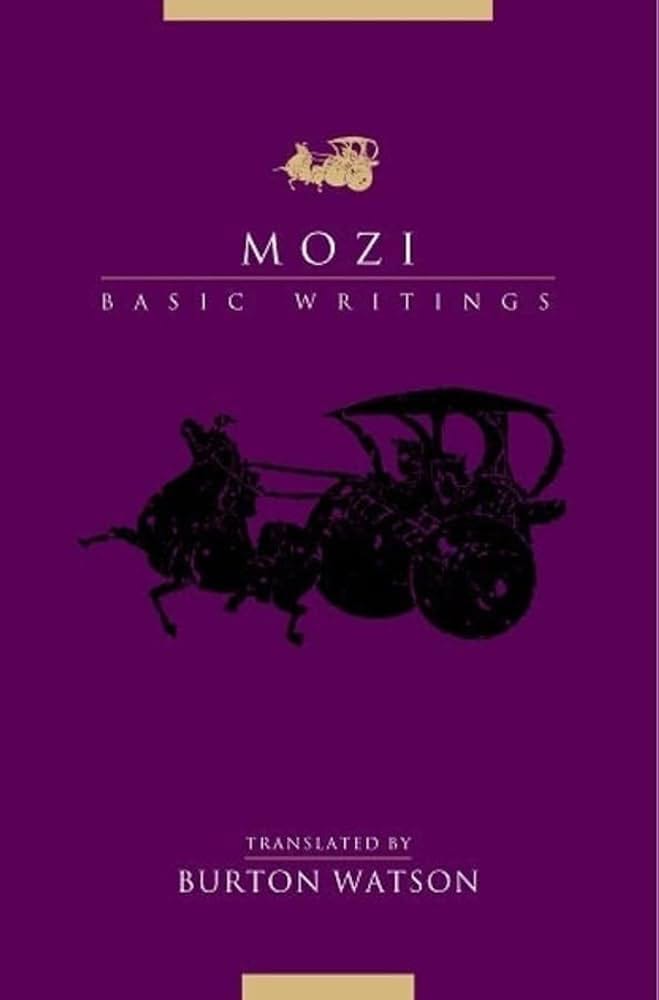
Mozi
Mozi
Advocates universal love, equality, and practical ethics for
society.
📅 470 BCE
🏛 Mohism
⏱ 7 Hours
⭐ 4.5/5
Difficulty: Intermediate
📖 Read Book
Intermediate
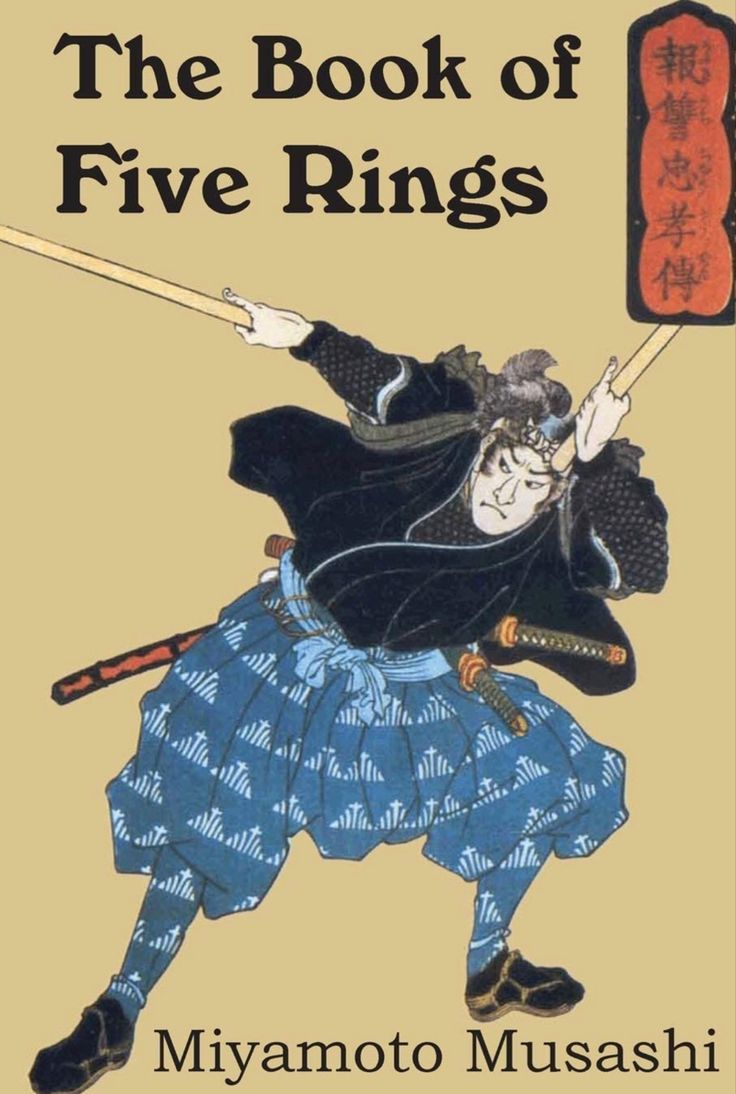
The Book of Five Rings
Miyamoto Musashi
A timeless guide to strategy, discipline, and self-mastery,
drawing lessons from the legendary samurai swordsman.
📅 1645
🏛 Japanese Philosophy
⏱ 3 Hours
⭐ 4.8/5
Difficulty: Intermediate
📖 Read Book
Intermediate
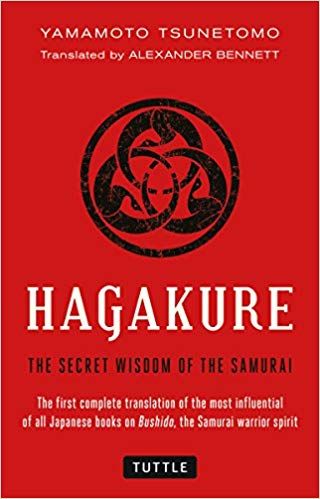
Hagakure
Yamamoto Tsunetomo
A classic work on the samurai code, exploring honor, loyalty,
discipline, and the philosophy of Bushidō.
📅 c. 1716
🏛 Japanese Philosophy
⏱ 5 Hours
⭐ 4.7/5
Difficulty: Intermediate
📖 Read Book
Advanced
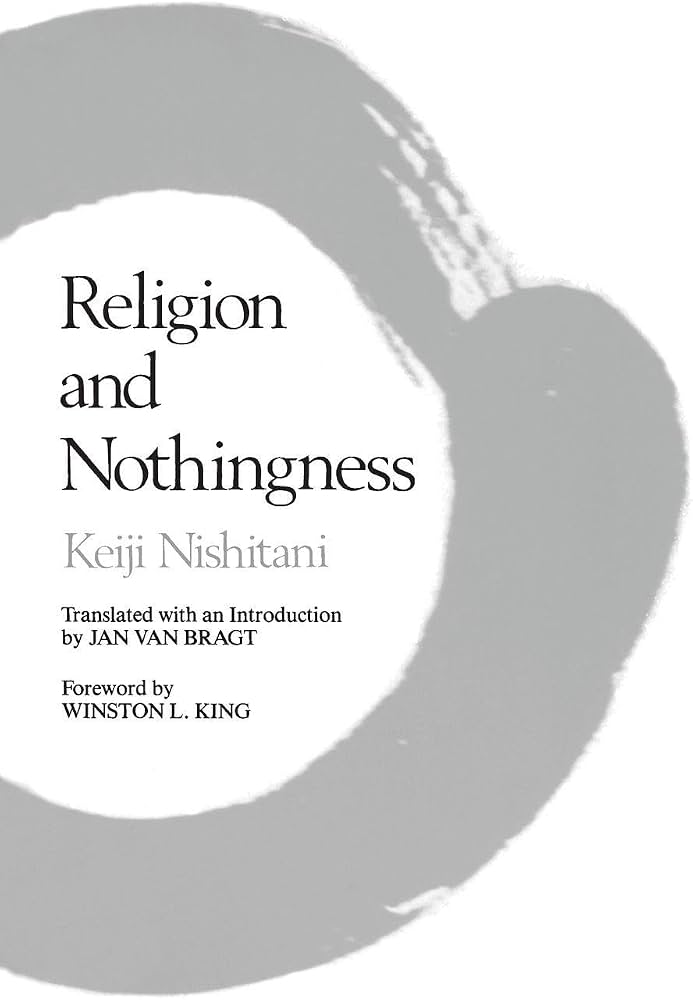
Religion and Nothingness
Keiji Nishitani
A profound exploration of Buddhism, nihilism, and existence
through the Kyoto School tradition.
📅 1961
🏛 Japanese Philosophy
⏱ 11 Hours
⭐ 4.7/5
Difficulty: Advanced
📚 Borrow Book
🕌 Islamic Philosophy Collection
Islamic philosophy explores reason, ethics, metaphysics, justice, and
the pursuit of knowledge, bringing together classical Greek ideas and
Islamic thought through centuries of intellectual inquiry.
Beginner
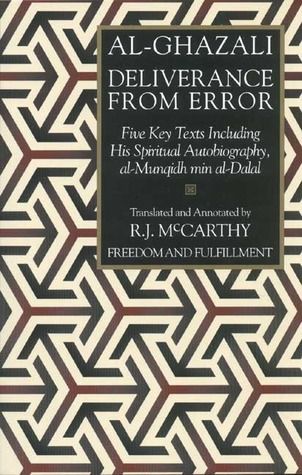
Deliverance from Error
Al-Ghazali
A philosophical autobiography describing the search for truth
through reason, skepticism, and faith.
📅 c. 1107
🏛 Islamic Philosophy
⏱ 2 Hours
⭐ 4.7/5
Difficulty: Beginner
📚 View Editions
Intermediate
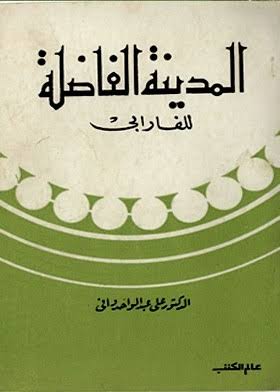
The Virtuous City
Al-Farabi
An influential vision of the ideal society, emphasizing wisdom,
justice, and virtuous leadership.
📅 c. 948
🏛 Islamic Philosophy
⏱ 5 Hours
⭐ 4.6/5
Difficulty: Intermediate
📚 View Editions
Advanced
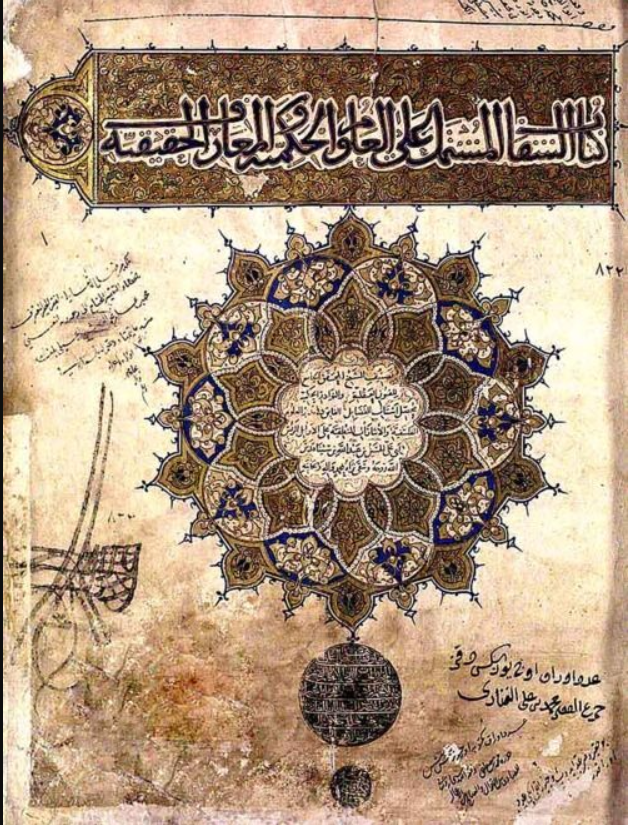
The Book of Healing
Avicenna (Ibn Sina)
A monumental philosophical encyclopedia covering logic, science,
psychology, and metaphysics.
📅 c. 1027
🏛 Islamic Philosophy
⏱ 26 Hours
⭐ 4.8/5
Difficulty: Advanced
📚 View Editions
Advanced
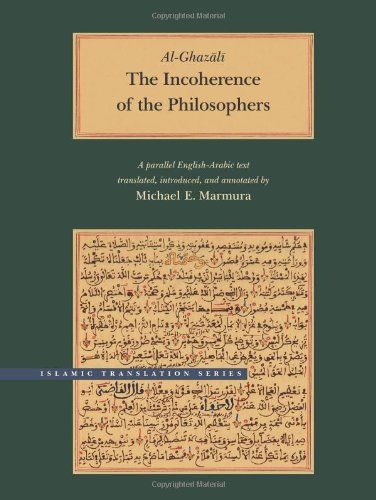
The Incoherence of the Philosophers
Al-Ghazali
A celebrated critique of Aristotelian philosophy, examining
reason, metaphysics, and theology.
📅 c. 1095
🏛 Islamic Philosophy
⏱ 9 Hours
⭐ 4.6/5
Difficulty: Advanced
📚 View Editions
Advanced
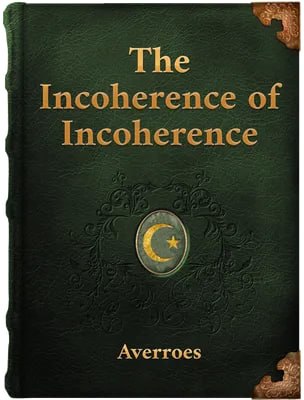
The Incoherence of the Incoherence
Averroes (Ibn Rushd)
A philosophical defense of reason and Aristotelian thought,
written in response to Al-Ghazali's critique.
📅 c. 1180
🏛 Islamic Philosophy
⏱ 10 Hours
⭐ 4.7/5
Difficulty: Advanced
📚 View Editions
💡 Enlightenment Collection
The Enlightenment transformed philosophy by championing reason, science,
liberty, skepticism, and the pursuit of human progress.
Intermediate
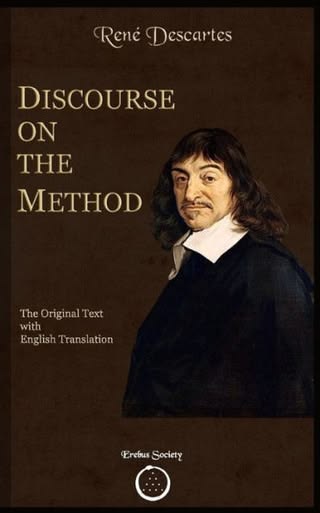
Discourse on Method
René Descartes
The book that introduced modern rationalism and the famous
principle, "I think, therefore I am."
📅 1637
🏛 Rationalism
⏱ 5 Hours
⭐ 4.8/5
Difficulty: Intermediate
📖 Read Book
Intermediate
Meditations on First Philosophy
René Descartes
A philosophical investigation into doubt, certainty, God, and the
existence of the self.
📅 1641
🏛 Rationalism
⏱ 6 Hours
⭐ 4.8/5
Difficulty: Intermediate
📖 Read Book
Intermediate
Two Treatises of Government
John Locke
The foundation of modern liberal democracy, natural rights, and
constitutional government.
📅 1689
🏛 Liberalism
⏱ 11 Hours
⭐ 4.8/5
Difficulty: Intermediate
📖 Read Book
Intermediate
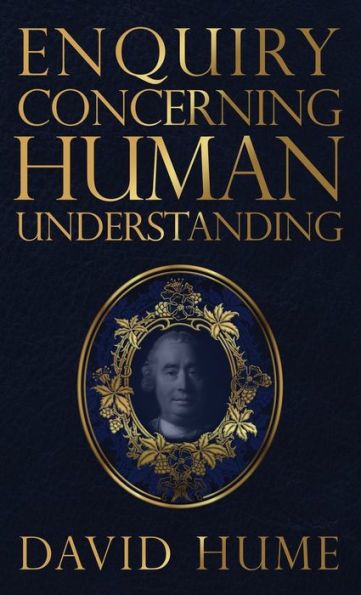
An Enquiry Concerning Human Understanding
David Hume
One of the greatest works on empiricism, skepticism, and the
limits of human knowledge.
📅 1748
🏛 Empiricism
⏱ 8 Hours
⭐ 4.7/5
Difficulty: Intermediate
📖 Read Book
Intermediate
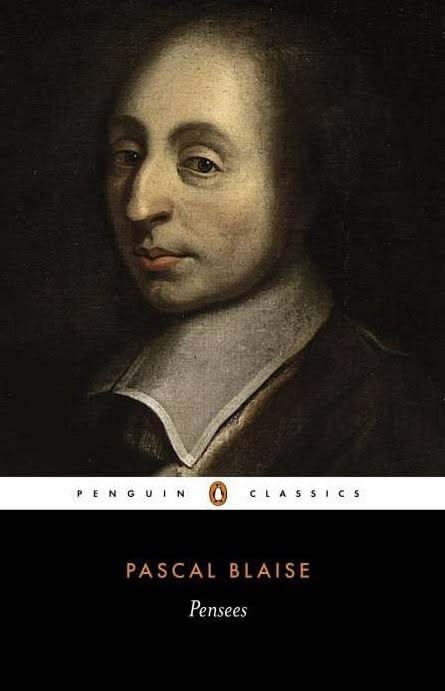
Pensées
Blaise Pascal
A collection of reflections on faith, reason, human nature, and
the search for truth, compiled after Pascal's death.
📅 1670
🏛 Enlightenment
⏱ 7 Hours
⭐ 4.7/5
Difficulty: Intermediate
📖 Read Book
Intermediate
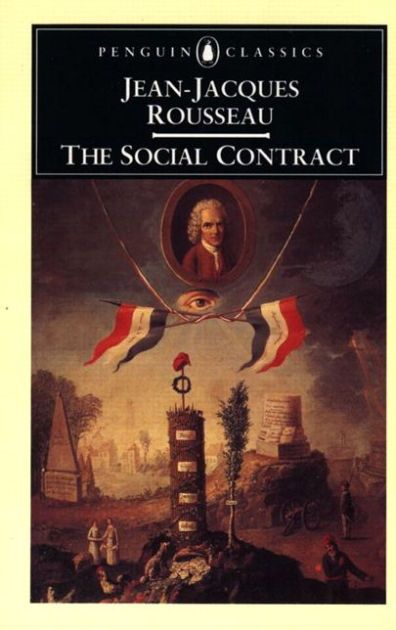
The Social Contract
Jean-Jacques Rousseau
Explores democracy, freedom, and the legitimacy of political
authority.
📅 1762
🏛 Political Philosophy
⏱ 8 Hours
⭐ 4.8/5
Difficulty: Intermediate
📖 Read Book
Advanced
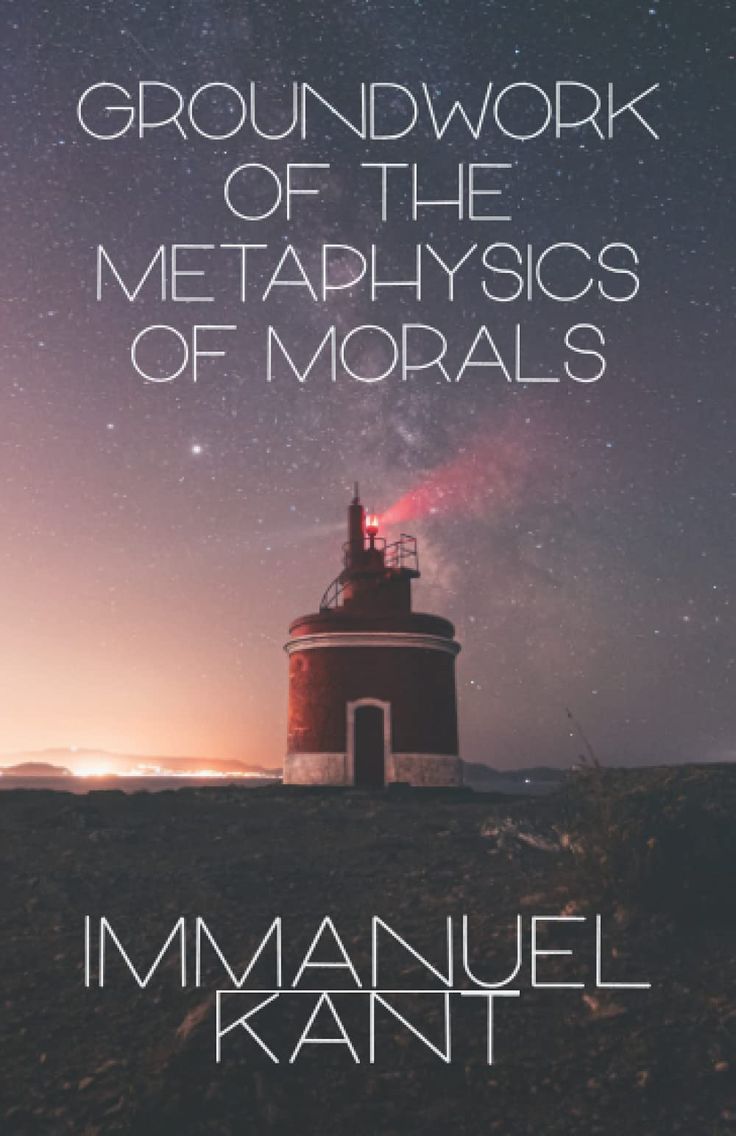
Groundwork of the Metaphysics of Morals
Immanuel Kant
Introduces the categorical imperative and one of history's most
influential ethical theories.
📅 1785
🏛 Ethics
⏱ 7 Hours
⭐ 4.8/5
Difficulty: Advanced
📖 Read Book
Advanced
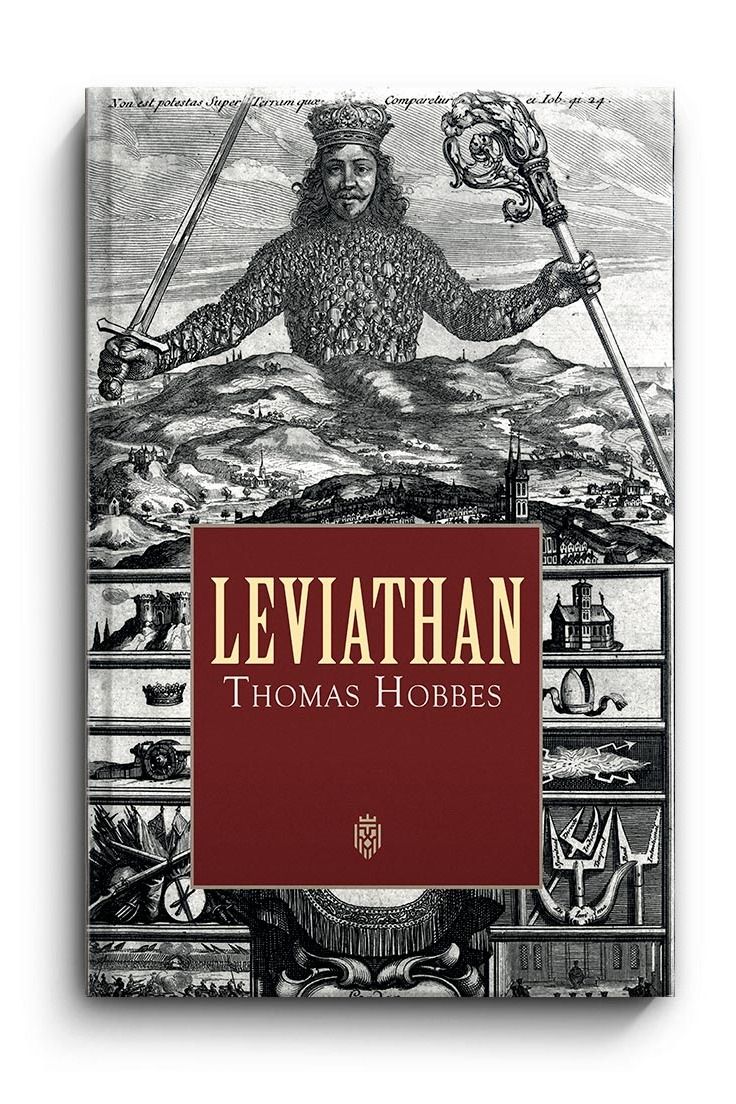
Leviathan
Thomas Hobbes
A groundbreaking work explaining government, authority, and the
social contract.
📅 1651
🏛 Political Philosophy
⏱ 14 Hours
⭐ 4.7/5
Difficulty: Advanced
📖 Read Book
Advanced
Ethics
Baruch Spinoza
An ambitious philosophical system connecting God, nature, and
human freedom.
📅 1677
🏛 Rationalism
⏱ 13 Hours
⭐ 4.8/5
Difficulty: Advanced
📖 Read Book
Advanced
A Treatise Concerning the Principles of Human Knowledge
George Berkeley
A classic defense of idealism, arguing that reality exists through
perception.
📅 1710
🏛 Idealism
⏱ 7 Hours
⭐ 4.6/5
Difficulty: Advanced
📖 Read Book
Advanced
An Essay Concerning Human Understanding
John Locke
A landmark work exploring the origins of human knowledge,
experience, and the limits of understanding.
📅 1689
🏛 Enlightenment
⏱ 18 Hours
⭐ 4.7/5
Difficulty: Advanced
📚 View Editions
Expert
Critique of Pure Reason
Immanuel Kant
Kant's masterpiece investigating how human knowledge, reason, and
perception are possible.
📅 1781
🏛 German Idealism
⏱ 24 Hours
⭐ 4.9/5
Difficulty: Expert
📚 View Editions
🌌 Modern Philosophy Collection
Modern philosophy investigates freedom, existence, morality, language,
science, and what it truly means to be human in an ever-changing world.
Intermediate
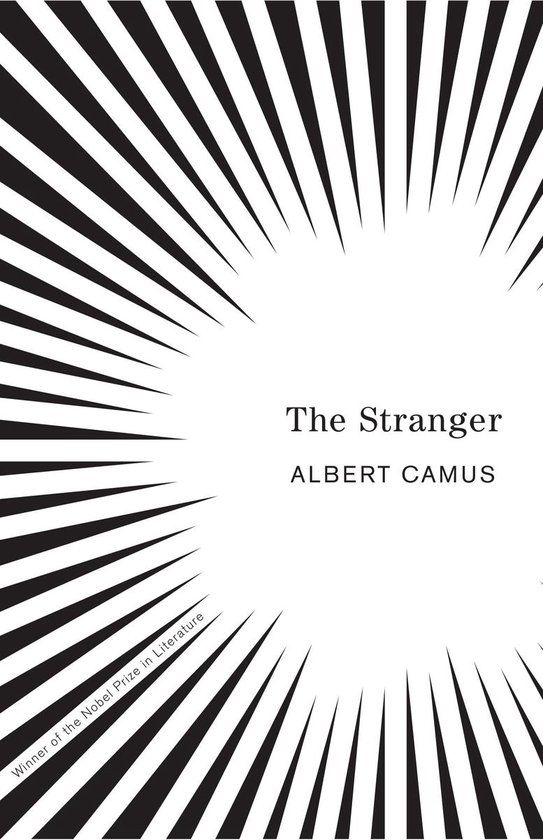
The Stranger
Albert Camus
A philosophical novel exploring alienation, freedom, and the
absurd nature of life.
📅 1942
🏛 Absurdism
⏱ 5 Hours
⭐ 4.7/5
Difficulty: Intermediate
📚 View Editions
Advanced
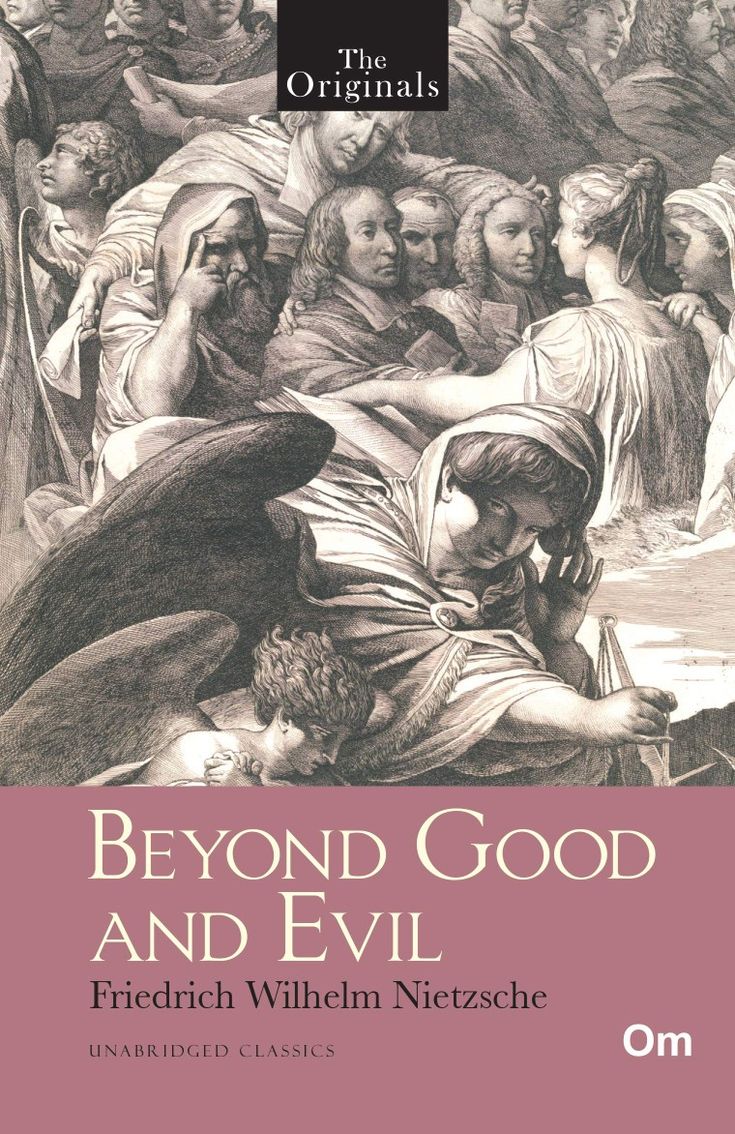
Beyond Good and Evil
Friedrich Nietzsche
Nietzsche challenges conventional morality, religion, and truth
while encouraging independent thinking and self-overcoming.
📅 1886
🏛 Existentialism
⏱ 11 Hours
⭐ 4.8/5
Difficulty: Advanced
📖 Read Book
Advanced
Fear and Trembling
Søren Kierkegaard
Explores faith, individual choice, and the paradox of religious
commitment.
📅 1843
🏛 Existentialism
⏱ 8 Hours
⭐ 4.8/5
Difficulty: Advanced
📖 Read Book
Advanced
The Gay Science
Friedrich Nietzsche
A celebration of life, creativity, and free thought, introducing
Nietzsche's famous proclamation that "God is dead."
📅 1882
🏛 Modern Philosophy
⏱ 8 Hours
⭐ 4.8/5
Difficulty: Advanced
📚 View Editions
Advanced
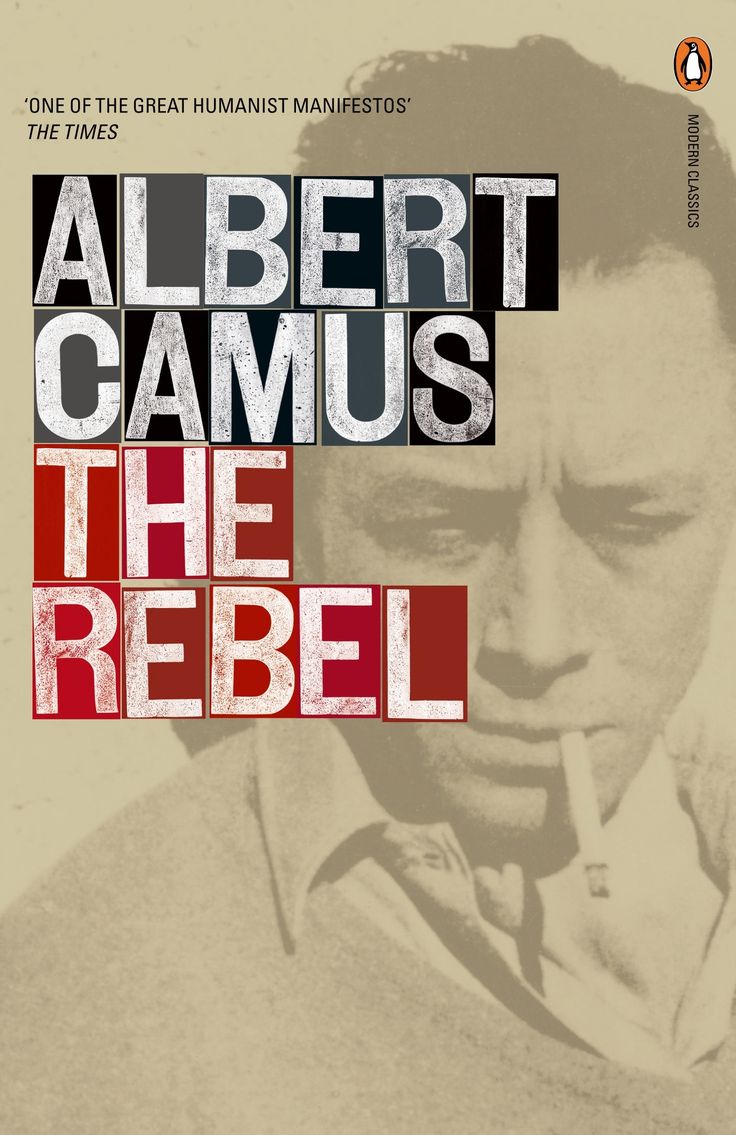
The Rebel
Albert Camus
An exploration of rebellion, justice, freedom, and the human
search for meaning in an absurd world.
📅 1951
🏛 Modern Philosophy
⏱ 8 Hours
⭐ 4.7/5
Difficulty: Advanced
📚 View Editions
Advanced
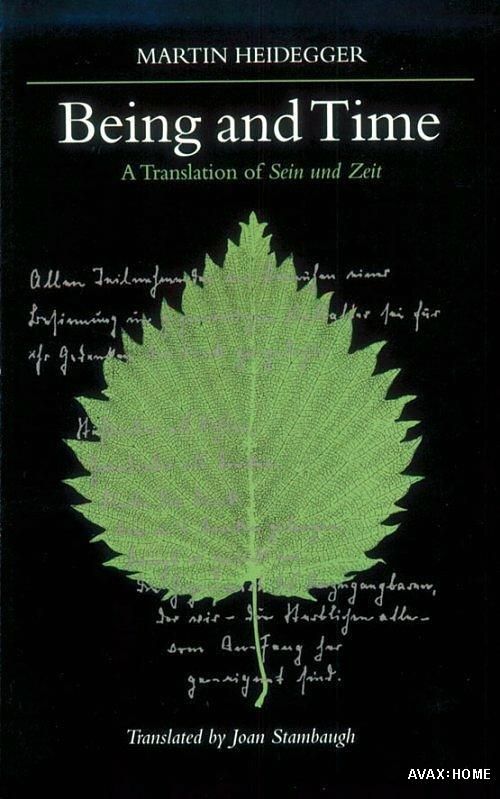
Being and Time
Martin Heidegger
A landmark work examining the meaning of Being, human existence,
and our relationship with time.
📅 1927
🏛 Modern Philosophy
⏱ 18 Hours
⭐ 4.8/5
Difficulty: Advanced
📚 View Editions
Advanced
Either/Or
Søren Kierkegaard
A classic work exploring choice, ethics, love, and the
individual's way of living.
📅 1843
🏛 Modern Philosophy
⏱ 15 Hours
⭐ 4.7/5
Difficulty: Advanced
📚 View Editions
Expert
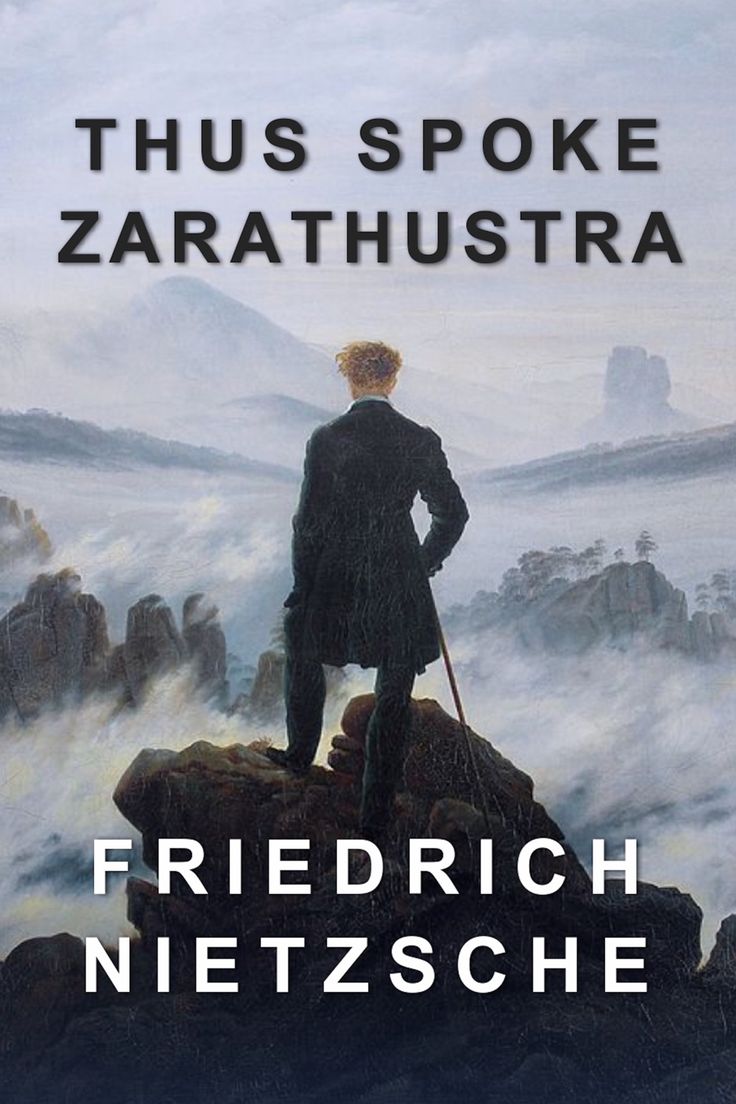
Thus Spoke Zarathustra
Friedrich Nietzsche
Nietzsche's poetic masterpiece introducing the Übermensch, eternal
recurrence, and the death of God.
📅 1883
🏛 Existentialism
⏱ 15 Hours
⭐ 4.9/5
Difficulty: Expert
📖 Read Book
Expert
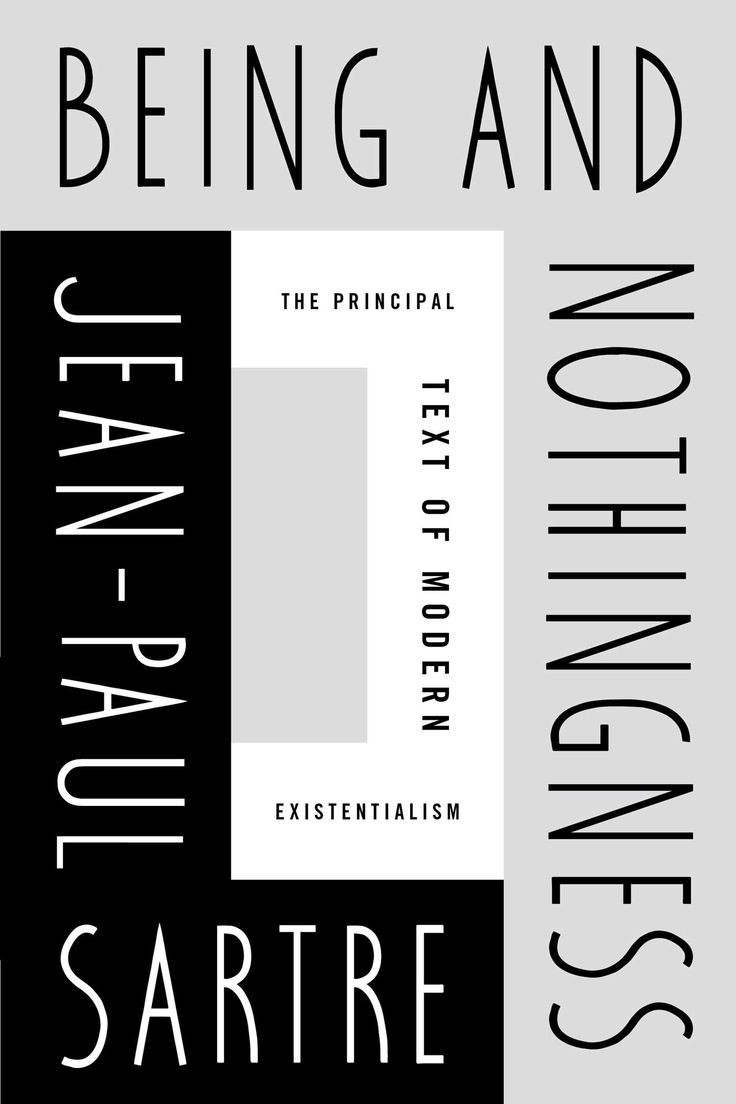
Being and Nothingness
Jean-Paul Sartre
A landmark work examining consciousness, freedom, responsibility,
and human existence.
📅 1943
🏛 Existentialism
⏱ 25 Hours
⭐ 4.8/5
Difficulty: Expert
📚 View Editions
⚖ Political & Ethics Collection
Discover the books that shaped democracy, justice, human rights, ethics,
and modern political thought.
Intermediate
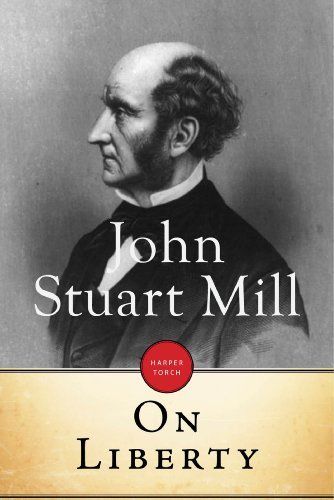
On Liberty
John Stuart Mill
A classic defense of freedom of speech, individual liberty, and
protection against tyranny.
📅 1859
🏛 Liberalism
⏱ 8 Hours
⭐ 4.8/5
Difficulty: Intermediate
📚 View Editions
Intermediate
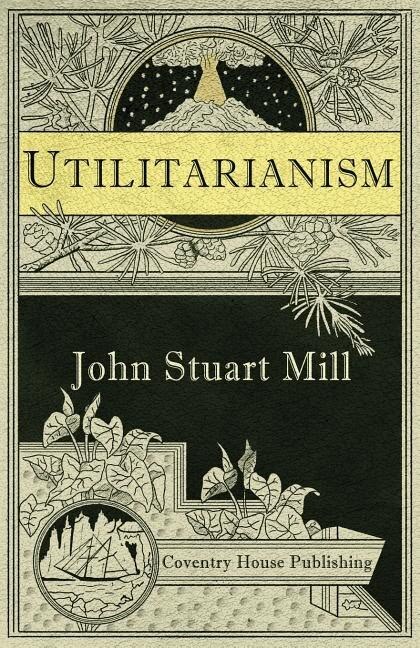
Utilitarianism
John Stuart Mill
Explains the principle that the morally right action is the one
that maximizes happiness.
📅 1863
🏛 Ethics
⏱ 5 Hours
⭐ 4.7/5
Difficulty: Intermediate
📖 Read Book
Intermediate
The Social Contract
Jean-Jacques Rousseau
The famous work that inspired modern democracy, popular
sovereignty, and political freedom.
📅 1762
🏛 Political Philosophy
⏱ 8 Hours
⭐ 4.8/5
Difficulty: Intermediate
📖 Read Book
Intermediate
The Republic
Plato
Plato's timeless vision of justice, education, and the ideal
society.
📅 375 BCE
🏛 Political Philosophy
⏱ 15 Hours
⭐ 4.9/5
Difficulty: Intermediate
📖 Read Book
Intermediate
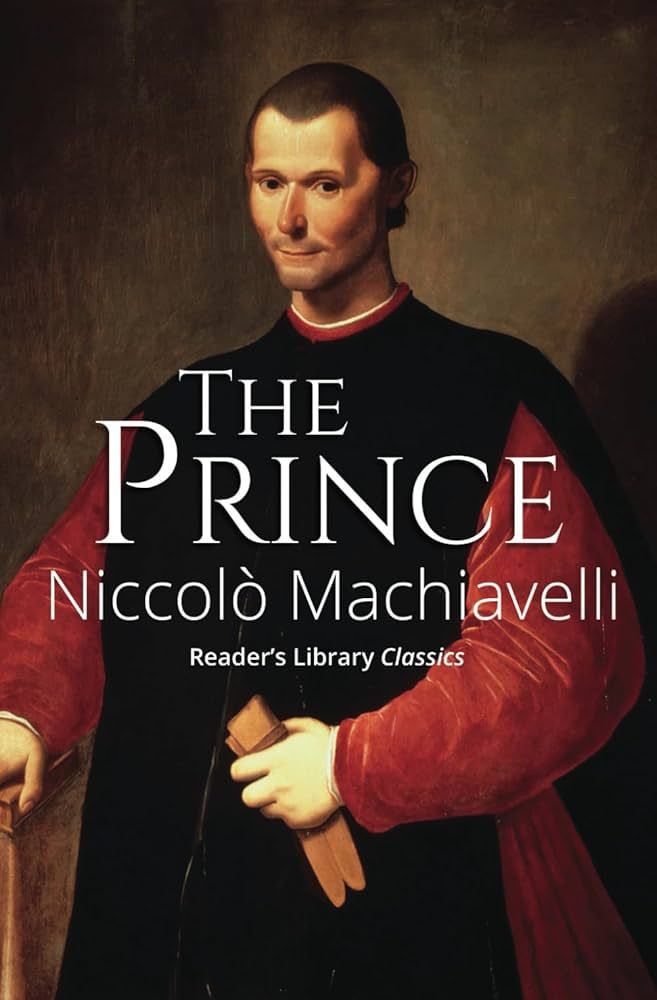
The Prince
Niccolò Machiavelli
A classic treatise on political power, leadership, and statecraft,
exploring the realities of governance.
📅 1532
🏛 Political Philosophy
⏱ 3 Hours
⭐ 4.7/5
Difficulty: Intermediate
📖 Read Book
Intermediate
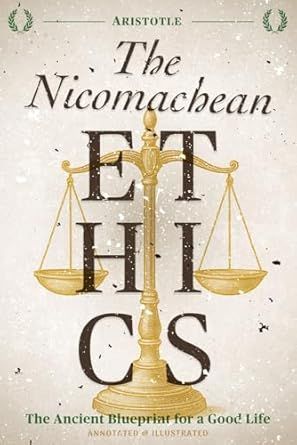
Nicomachean Ethics
Aristotle
Aristotle's masterpiece on virtue, happiness, and the development
of moral character through reason.
📅 c. 340 BCE
🏛 Ethics
⏱ 8 Hours
⭐ 4.8/5
Difficulty: Intermediate
📖 Read Book
Advanced
A Theory of Justice
John Rawls
Introduces justice as fairness and one of the most influential
political theories of the twentieth century.
📅 1971
🏛 Political Philosophy
⏱ 20 Hours
⭐ 4.8/5
Difficulty: Advanced
📚 View Editions
Advanced
Leviathan
Thomas Hobbes
A landmark work arguing for a strong state to preserve peace and
order.
📅 1651
🏛 Political Philosophy
⏱ 15 Hours
⭐ 4.7/5
Difficulty: Advanced
📖 Read Book
Advanced
Groundwork of the Metaphysics of Morals
Immanuel Kant
Introduces the categorical imperative and one of history's most
influential ethical theories.
📅 1785
🏛 Ethics
⏱ 7 Hours
⭐ 4.8/5
Difficulty: Advanced
📖 Read Book
📘 Book of the Month
Every month we highlight one book that deserves your full attention.
This month's recommendation is Meditations , the
personal journal of Roman emperor Marcus Aurelius. Rather than teaching
philosophy through complicated theories, this book shows how to remain
calm, disciplined and resilient in everyday life. Nearly two thousand
years later, its lessons remain just as relevant.
Meditations
Marcus Aurelius
One of the greatest books ever written on Stoicism, discipline and
inner peace. Written nearly 2,000 years ago, its lessons remain
timeless.
📅 Published: 180 AD
🏛 School: Stoicism
⭐ Community Rating: 4.9/5
📊 Difficulty: Beginner
⏱ Reading Time: 6 Hours
📖 Why Read This Book?
⭐ Editor's Picks
After reading hundreds of philosophical works, these are the books I
believe every curious mind should experience at least once. Whether
you're completely new or already studying philosophy, these five books
offer the greatest combination of wisdom, clarity and life-changing
ideas.
🏆 Meditations
A practical guide to resilience, discipline and inner peace.
🏆 Bhagavad Gita
One of history's greatest conversations about life and purpose.
🏆 The Republic
The foundation of political philosophy.
🏆 Tao Te Ching
Simple wisdom that becomes deeper every time you read it.
🏆 Beyond Good and Evil
A bold challenge to traditional morality and conventional ways of
thinking.
🏅 Philosopher Spotlight
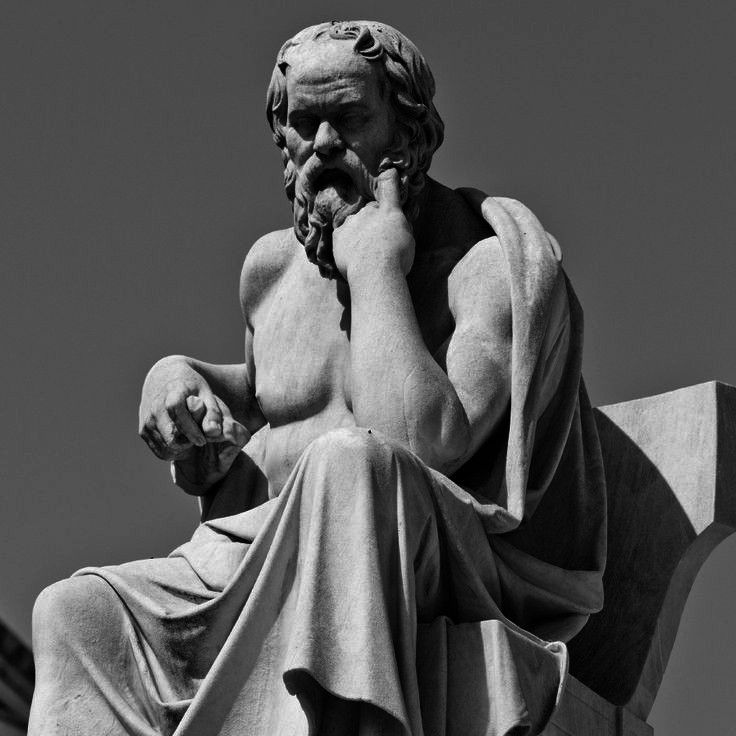
Socrates
470 BCE – 399 BCE
Known as the Father of Western Philosophy, Socrates encouraged
people to question everything rather than blindly accepting ideas.
His method of asking thoughtful questions changed education forever.
🏛 School: Classical Greek Philosophy
📚 Famous Works: Through Plato's Dialogues
💡 Famous Idea: The Socratic Method
Learn More
📖 Which Philosophy Book Should You Read?
😊 I Want Happiness
Meditations
🧠 I Love Deep Thinking
Critique of Pure Reason
🌍 I Like Politics
The Republic
🧘 I Want Inner Peace
Tao Te Ching
🙏 I Like Spirituality
Bhagavad Gita
❓ I Question Life
The Myth of Sisyphus
⚖ I Like Ethics
Nicomachean Ethics
🎓 Philosophy Reading Levels
Every great philosopher starts somewhere. Complete each level before
moving to the next.
🌱
Beginner
Meditations
Bhagavad Gita
Dhammapada
Apology
Tao Te Ching
📘
Intermediate
The Republic
Letters from a Stoic
Analects
On Liberty
Nicomachean Ethics
🧠
Advanced
Beyond Good and Evil
Fear and Trembling
The Myth of Sisyphus
Groundwork of Morals
Ethics
👑
Expert
Critique of Pure Reason
Being and Nothingness
The World as Will and Representation
Tractatus
Leviathan
Quote of the Page
"You have power over your mind—not outside events."
— Marcus Aurelius
From Books to the World of Literature
Philosophy has always lived alongside literature, shaping stories,
poems, and ideas about human existence. Explore the works that connect
philosophical thought with the imagination of different cultures and
eras.
From ancient epics and classical poetry to modern novels and essays,
discover literature that explores identity, morality, freedom, meaning,
and the human condition.
Explore World Literature →
Text Size
Small
Standard
Large
Reading Spacing
Standard
Comfortable
.jpg)