Detailed exploration of the philosophical traditions of China and
Japan—examining how Confucianism, Daoism, Zen, and other schools
approached questions of harmony, human nature, knowledge, society, and
how one ought to live.
Confucianism
Confucianism emphasizes social harmony, moral cultivation, and filial
piety as the foundations of a well-ordered society.
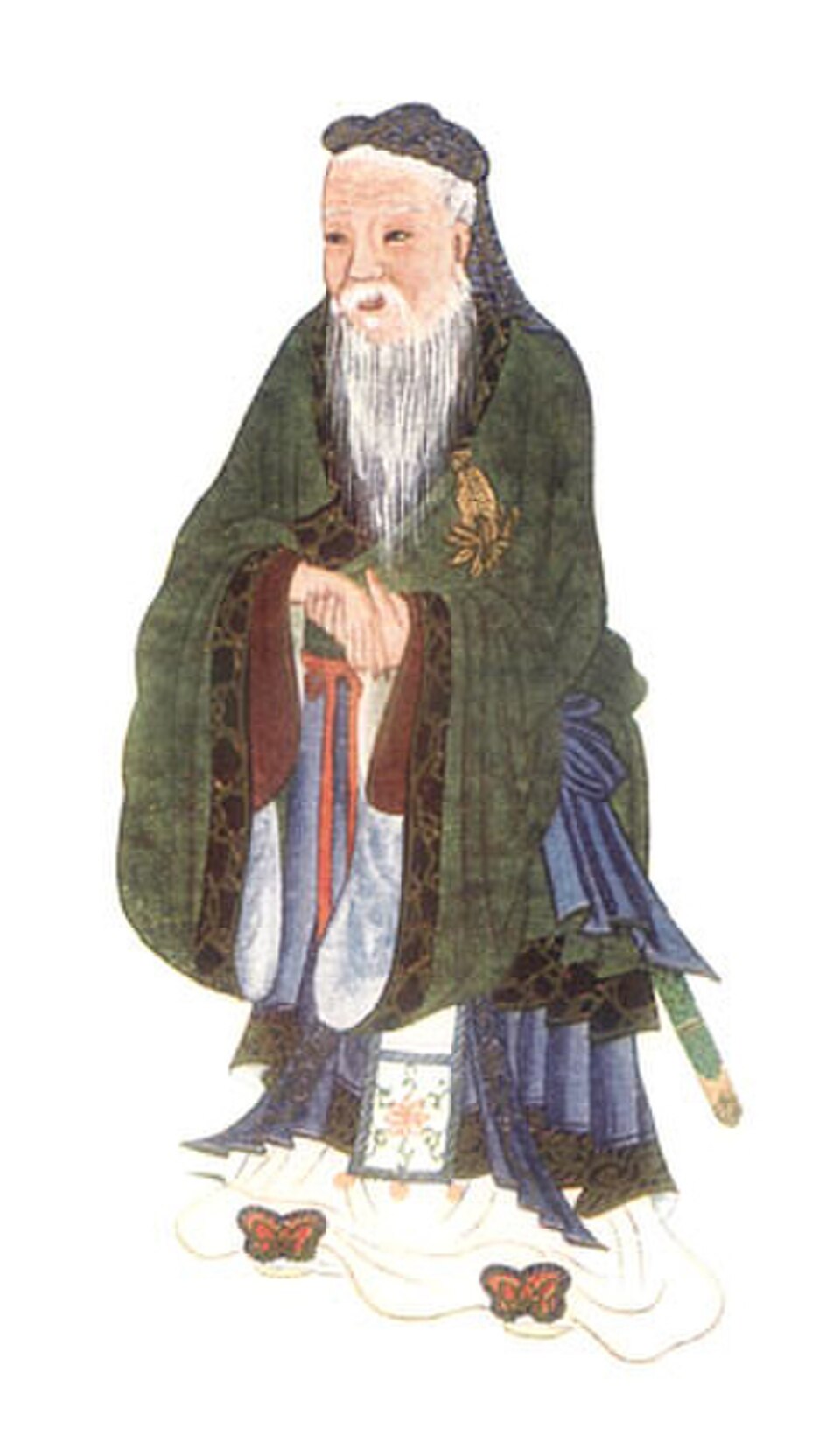
Confucianism is an ancient Chinese ethical and philosophical system
developed from the teachings of the philosopher Confucius (Kong Fuzi) in
the 6th–5th century BCE. Emerging during the chaotic Spring and Autumn
period, Confucius sought to restore social and political order not
through harsh laws, but through moral education, ritual propriety, and
leading by virtuous example. It is fundamentally a humanist philosophy,
focusing on the perfection of human character and the maintenance of
harmonious relationships within the family and the state.
The philosophy was later developed and systematized by figures like
Mencius (who argued human nature is inherently good) and Xunzi (who
argued human nature requires rigorous molding). Over the centuries,
Confucianism evolved from a philosophical school into the foundational
state ideology of imperial China. It profoundly shaped the social
fabrics, educational systems, and bureaucratic structures of not only
China, but also Korea, Japan, and Vietnam.
Key Principles
Ren (Benevolence) — the ultimate virtue of
humaneness, compassion, and loving others
Li (Ritual/Propriety) — the proper conduct,
etiquette, and rituals that maintain social harmony
Xiao (Filial Piety) — profound respect, obedience,
and care for one's parents and ancestors
Junzi (The Gentleman) — the ideal moral exemplar who
continually cultivates his character and acts with righteousness
Major Works
The Analects — Confucius (compiled by his disciples)
Mencius — Mencius
The Great Learning — Attributed to Zengzi
Influence
Confucianism established the civil service examination system in China,
creating a meritocracy based on scholarly achievement rather than noble
birth. Its emphasis on family loyalty, respect for elders, and education
continues to heavily influence the cultural and social norms of East
Asia today.
Common Misconception
Confucianism is often viewed in the West as a rigid, oppressive set of
rules demanding blind obedience to authority. In its original context,
however, it emphasized reciprocal obligations—a ruler or parent must be
virtuous and caring to earn respect, and Confucius explicitly supported
advising and correcting leaders who strayed from the moral path.
Taoism
Taoism advocates living in effortless harmony with the Dao, the
mysterious and natural order of the universe.
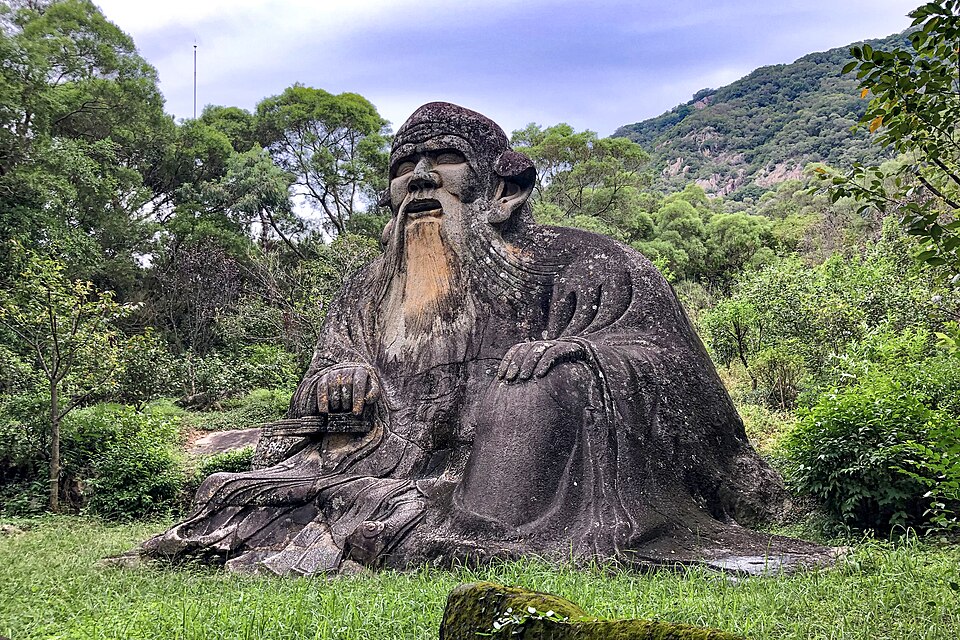
Taoism (or Daoism) is an indigenous Chinese philosophy and religion that
arose roughly concurrently with Confucianism, traditionally attributed
to the legendary sage Laozi (Lao Tzu) and later expanded by Zhuangzi.
Where Confucianism focuses on social structures and human relationships,
Taoism turns its gaze to nature and the cosmos. It centers on the
concept of the Dao (the Way)—an unnamable, formless, and
eternal principle that is the source and driving force of all existence.
Taoist philosophy suggests that human suffering and societal chaos arise
from our attempts to artificially control, force, or resist the natural
flow of life. By practicing Wu-wei (effortless action), a
person aligns their will with the Dao, achieving a state of spontaneity,
tranquility, and naturalness. Over time, philosophical Taoism merged
with folk religions to create a rich tradition involving alchemy,
medicine, and physical disciplines aimed at prolonging life and
cultivating vital energy (Qi).
Key Principles
Dao (The Way) — the fundamental, indefinable essence
and natural rhythm of the universe
Wu-wei (Non-action) — acting effortlessly and
naturally, without forcing outcomes or striving against the grain of
reality
Yin and Yang — the interconnected, complementary
dualities (dark/light, passive/active) that make up all phenomena
Ziran (Naturalness) — the state of being exactly as
one is meant to be, free from artificial societal constructs
Major Works
Tao Te Ching — Laozi
Zhuangzi — Zhuangzi
I Ching (Book of Changes) — An ancient divination text
foundational to both Taoism and Confucianism
Influence
Taoism profoundly influenced Chinese landscape painting, poetry, and
aesthetics, embedding a deep reverence for nature. It also provided the
foundational philosophy for Traditional Chinese Medicine (acupuncture,
herbalism), Tai Chi, Qigong, and played a crucial role in the
development of Chan (Zen) Buddhism.
Common Misconception
Wu-wei is frequently misunderstood as sheer laziness or doing
absolutely nothing. In reality, it means "action without friction" or
being "in the zone." It describes a state of supreme efficiency and
skill where a person responds perfectly to a situation without
overthinking, much like water flowing effortlessly around a rock.
Legalism
Legalism is a pragmatic political philosophy arguing that human nature
is selfish, requiring strict laws and harsh punishments to maintain
state order.
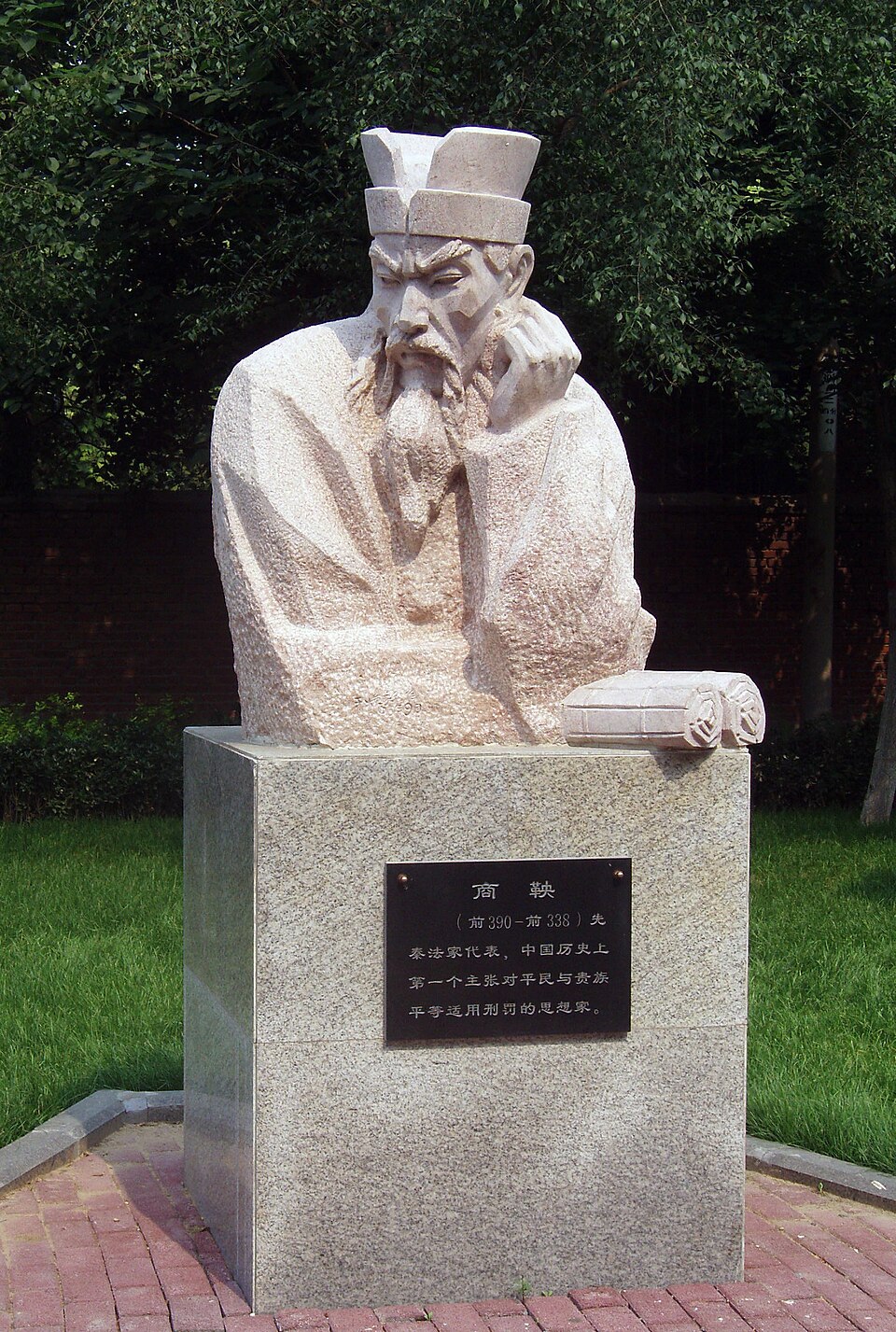
Legalism (Fajia) was a highly pragmatic, ruthless, and influential
political philosophy that emerged during China’s violent Warring States
period (5th–3th century BCE). Developed by figures like Shang Yang and
Han Feizi, Legalism completely rejected the Confucian idea that a state
could be ruled by moral example or rituals. Instead, Legalists argued
that humans are fundamentally driven by self-interest and cannot be
trusted to act virtuously on their own.
To prevent chaos, Legalism proposed a powerful, centralized state
governed by an absolute ruler and an exhaustive system of public,
impartial laws. These laws were enforced with severe punishments for
disobedience and generous rewards for compliance, effectively
manipulating human greed and fear to serve the state. This philosophy
was adopted by the Qin state, allowing Qin Shi Huang to brutally conquer
his rivals and become the first Emperor of a unified China in 221 BCE.
Key Principles
Fa (Law) — clear, public, and universally applied
laws that dictate strict punishments and rewards
Shu (Method/Tactic) — the administrative techniques
and secrets a ruler uses to manage officials and prevent treason
Shi (Power/Position) — the institutional power and
authority of the throne, which commands obedience regardless of the
ruler's personal morality
Major Works
Han Feizi — Han Feizi (the most comprehensive Legalist text)
The Book of Lord Shang — Shang Yang
Influence
Although the Qin Dynasty fell quickly due to its extreme brutality,
Legalist administrative structures—such as centralized bureaucracy,
standardizing laws, and suppressing rebellious nobles—became the hidden
blueprint for all subsequent Chinese dynasties, operating quietly
beneath a public facade of Confucian morality.
Common Misconception
Legalism is often thought of as merely sadistic tyranny. However, in the
context of endless, bloody civil war, it was actually a rational,
progressive attempt to create an objective system of governance. By
demanding that the law apply equally to peasants and aristocrats alike,
it aimed to strip power from corrupt, entrenched nobles.
Mohism
Mohism advocated for universal, impartial love and strict
utilitarianism, prioritizing the collective welfare of society over
familial ties.
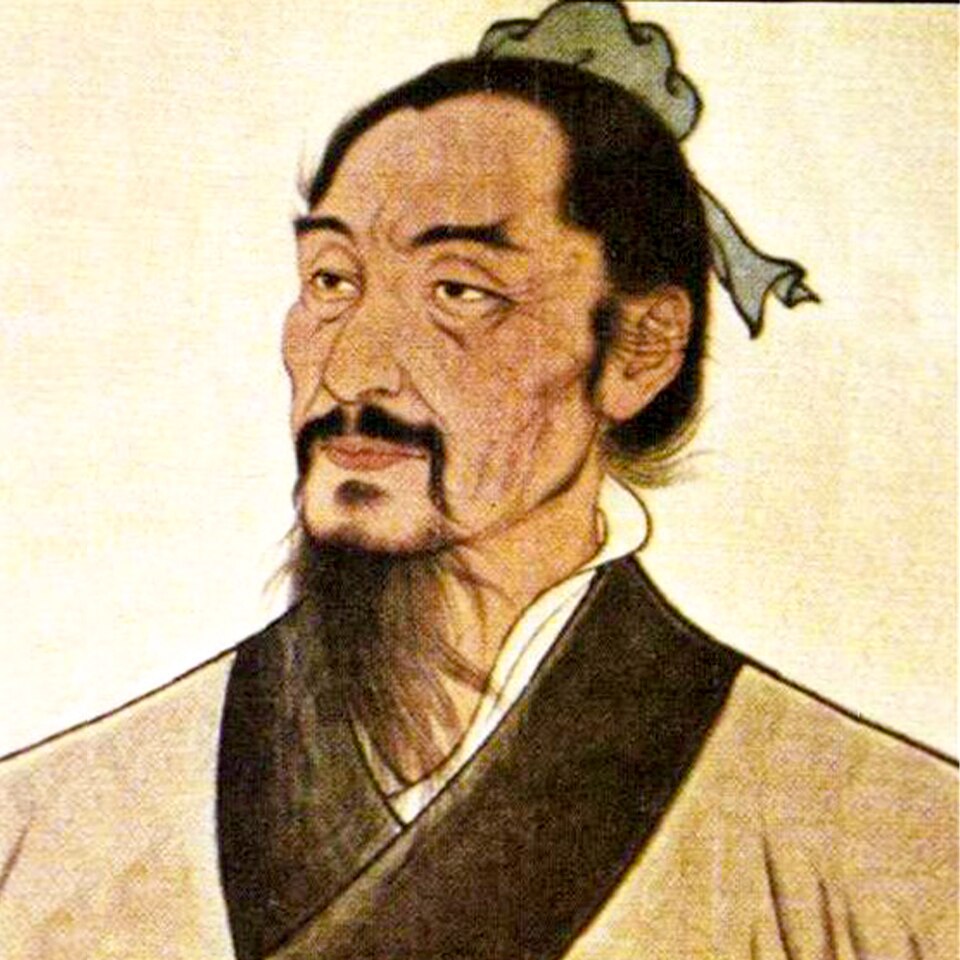
Mohism (Mojia) was founded by Mozi in the 5th century BCE and was the
primary rival to Confucianism during the Warring States period. Mozi was
deeply critical of the Confucian emphasis on elaborate rituals, music,
and prioritizing one's own family. He viewed these practices as wasteful
and the root cause of societal division and warfare. In their place,
Mozi proposed a radical ethic of Jianai—universal, impartial
love.
The Mohists were essentially ancient utilitarians. They argued that any
action, policy, or tradition should be judged solely on whether it
promotes the wealth, population, and order of the state. Because they
despised aggressive warfare, Mohist philosophers became expert siege
engineers, traveling between states to help defend weaker cities from
imperial aggression. Although highly influential in its time, Mohism
largely died out after the unification of China, overshadowed by
Legalism and Confucianism.
Key Principles
Jianai (Universal Love) — the ethical doctrine that
one should care for all people equally, without distinguishing between
family members and strangers
Utilitarianism — evaluating actions based entirely on
their tangible benefit to society (wealth, peace, population)
Anti-Fatalism — the rejection of destiny, arguing
that human effort and righteous action can change one's material and
spiritual conditions
Meritocracy — the belief that government roles should
be given to the most capable and moral, regardless of their birth or
social class
Major Works
The Mozi — Compiled by Mozi's disciples, outlining the
philosophy and detailing defensive siege warfare tactics
Influence
While it disappeared for over two millennia, Mohism was rediscovered in
the late 19th and 20th centuries. Modern Chinese thinkers and political
reformers revived interest in Mozi, seeing his concepts of equality,
meritocracy, and utilitarianism as native Chinese precursors to modern
democratic and socialist ideals.
Common Misconception
When people hear "universal love," they often imagine a romantic or
highly emotional affection. For Mozi, Jianai was a cold,
pragmatic, and objective concept. It simply meant that society functions
best when people provide the same material care and protection to a
stranger's parents and children as they do to their own, avoiding the
tribalism that leads to war.
Neo-Confucianism
Neo-Confucianism revitalized ancient Confucian ethics by integrating
complex metaphysical theories from Buddhism and Taoism.
Neo-Confucianism was a massive intellectual revival movement that began
in the Tang Dynasty and reached its zenith during the Song and Ming
Dynasties (roughly 11th–16th centuries CE). For centuries, Buddhism and
Taoism had dominated Chinese philosophical and spiritual life, offering
profound explanations of the cosmos and the mind that ancient
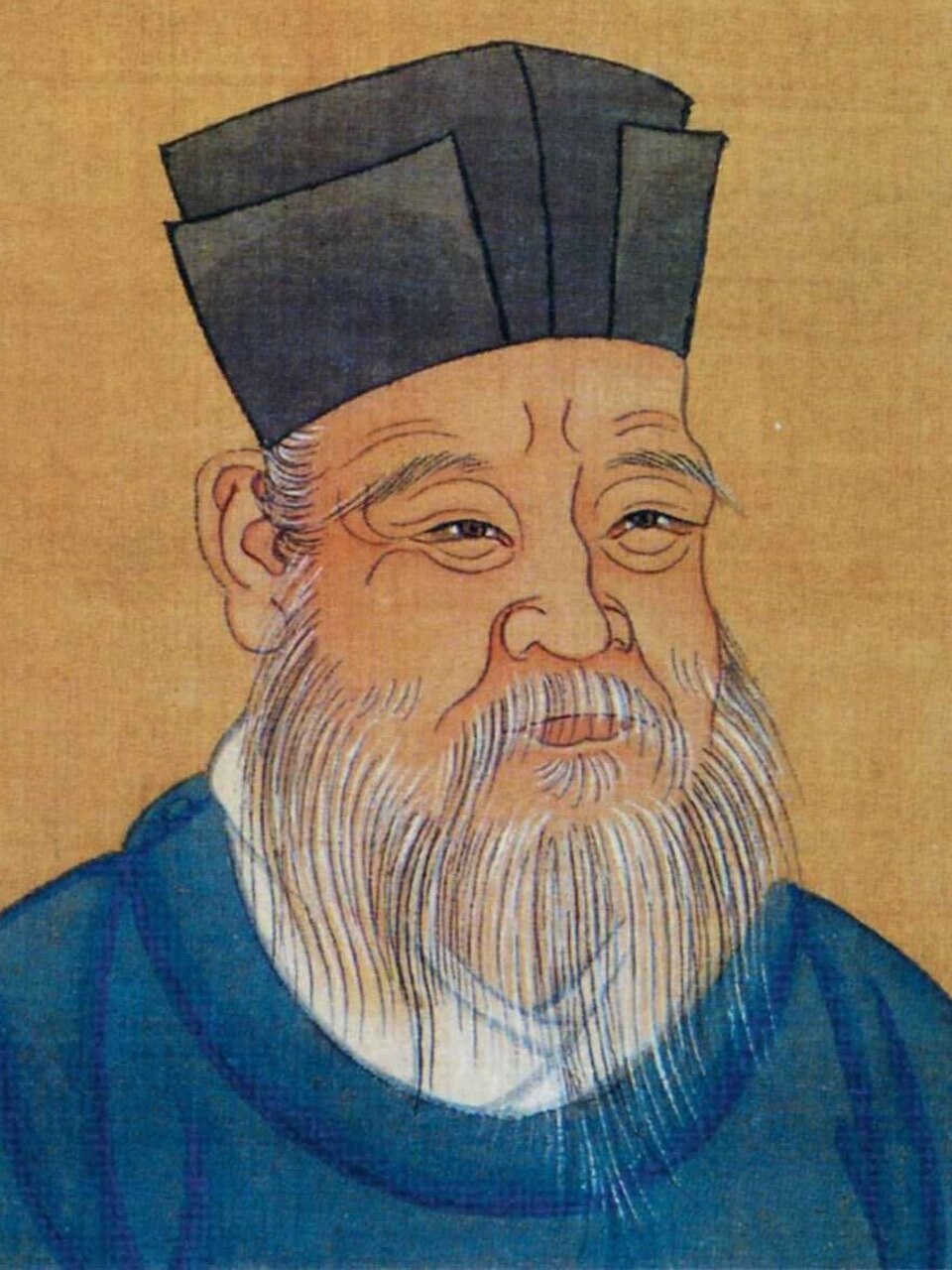
Confucianism lacked. Thinkers like Zhu Xi and later Wang Yangming set
out to restore Confucianism by developing a comprehensive metaphysical
framework that could rival its competitors.
This new movement shifted the focus from purely social rules to
understanding the fundamental nature of the universe. They introduced
the concepts of Li (the underlying rational principle of the
cosmos) and Qi (the vital material force). Neo-Confucians
argued that the same moral principle that governs the universe also
exists within the human heart. By meticulously "investigating things" or
practicing introspection, a person could align their mind with the
cosmic order, effectively making sagehood an attainable, spiritual goal.
Key Principles
Li (Principle) — the eternal, rational form or moral
blueprint that underlies all phenomena in the universe
Qi (Material Force) — the dynamic, physical energy or
matter that gives shape to things according to the blueprint of Li
Investigation of Things (Gewu) — Zhu Xi's method of
rigorously studying the external world and classical texts to
understand moral principles
Unity of Knowledge and Action — Wang Yangming's
doctrine that true moral knowledge inherently results in righteous
action; one cannot truly know good without doing good
Major Works
The Four Books — Curated and heavily annotated by Zhu Xi,
replacing the Five Classics as the core curriculum
Instructions for Practical Living — Wang Yangming
Influence
Zhu Xi's interpretation of Neo-Confucianism became the absolute,
unquestioned orthodox ideology of the Chinese imperial state from the
14th century until the abolition of the civil service exams in 1905. It
also profoundly shaped the philosophical, political, and social
development of the Joseon Dynasty in Korea and the Tokugawa Shogunate in
Japan.
Common Misconception
Because it uses terms like "Li" and "Qi," people often confuse
Neo-Confucian metaphysics with Taoist mysticism. However, Neo-Confucians
were fiercely rationalistic. They used these concepts not to escape the
world into mystic reverie, but to ground human ethics, family loyalty,
and political duty in the very fabric of the cosmos.
Kyoto School
The Kyoto School is a modern Japanese philosophical movement that
brilliantly synthesized Western existentialism with Mahayana Buddhist
metaphysics.
The Kyoto School is a 20th-century Japanese philosophical movement
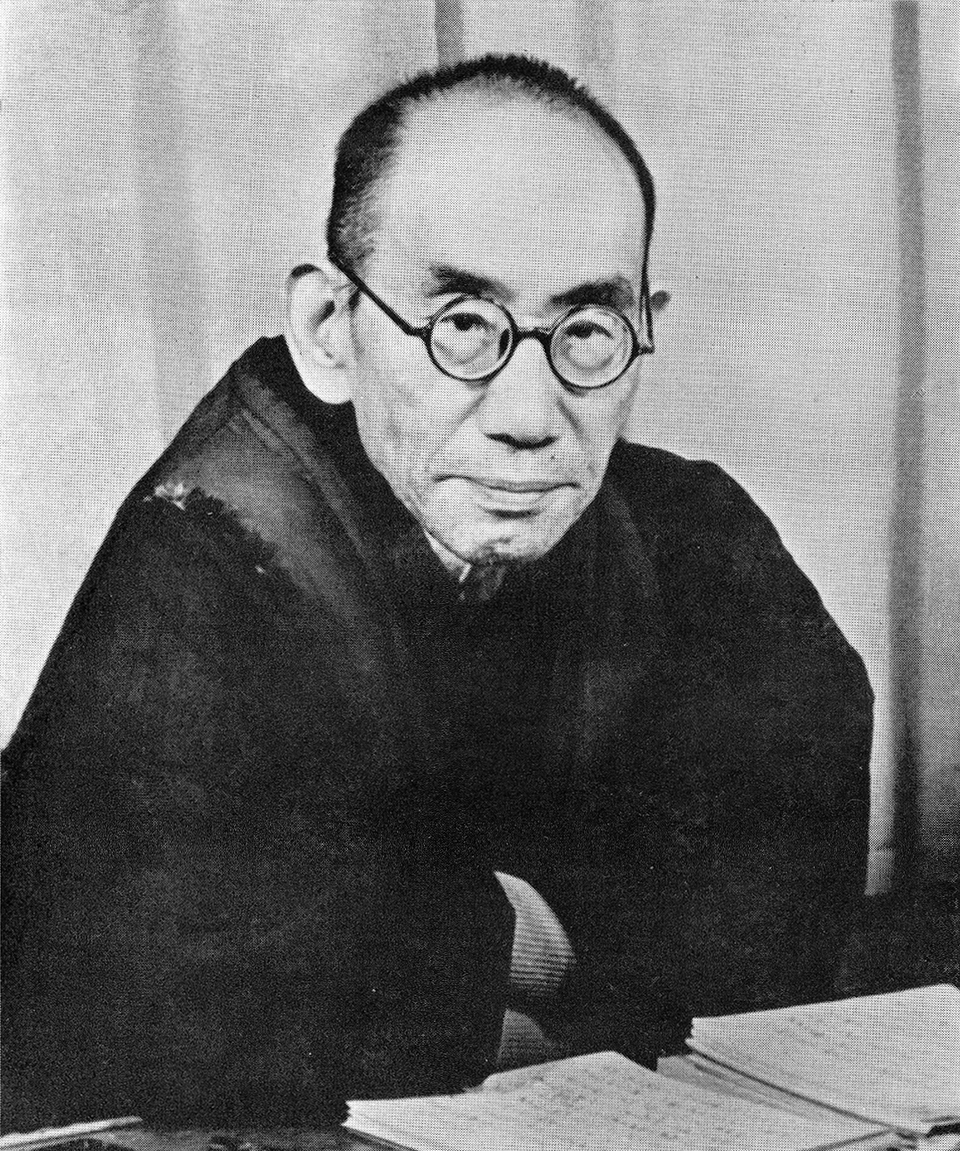
centered at Kyoto University, founded by Kitaro Nishida and developed by
thinkers like Keiji Nishitani and Hajime Tanabe. Emerging as Japan was
rapidly modernizing and opening to the West, these philosophers embarked
on an unprecedented intellectual project: they sought to engage deeply
with Western philosophy (especially Kant, Hegel, Nietzsche, and
Heidegger) using the conceptual tools and spiritual insights of Eastern
traditions, particularly Zen Buddhism.
At the heart of the Kyoto School's philosophy is the attempt to overcome
Western dualism (subject vs. object, mind vs. matter). They proposed the
concept of "Absolute Nothingness" (Zettai Mu)—not a negative, empty
void, but an infinite, dynamic field of reality out of which all being
and consciousness emerge. By reframing existential questions of meaning,
nihilism, and selfhood through this lens, the Kyoto School established
Japanese philosophy as a highly original and formidable voice on the
global stage.
Key Principles
Absolute Nothingness (Zettai Mu) — the ultimate,
unnamable ground of reality, from which all dualities
(being/non-being, subject/object) arise
Basho (Place/Field) — Nishida's concept of the
"field" or contextual matrix within which absolute nothingness
manifests as conscious experience
Overcoming Nihilism — Nishitani's argument that
Western nihilism must not be avoided, but passed through completely to
reach the liberating emptiness of Zen
Major Works
An Inquiry into the Good — Kitaro Nishida
Religion and Nothingness — Keiji Nishitani
Philosophy as Metanoetics — Hajime Tanabe
Influence
The Kyoto School successfully bridged the gap between East and West,
bringing Zen Buddhist concepts into modern academic philosophical
discourse. It deeply influenced Western phenomenology, existential
theology, and cross-cultural dialogue. However, its legacy is complex,
as some members' writings were co-opted to philosophically justify
Japanese imperialism during World War II.
Common Misconception
Because it heavily relies on the term "Nothingness," Western readers
often mistakenly equate the Kyoto School with pure pessimism or
nihilism. In reality, "Absolute Nothingness" is a liberating,
affirmative concept drawn from Buddhism. It represents the stripping
away of the ego, leading to a profound, compassionate interconnectedness
with all of life.
Bushidō
Bushidō, "The Way of the Warrior," is the ethical and moral code of
the Japanese samurai, blending martial mastery with absolute loyalty
and honor.
Bushidō, translating to "The Way of the Warrior," is the moral and
behavioral code that governed the samurai class of feudal Japan. While
martial traditions existed for centuries, Bushidō as a formalized
philosophy crystallized primarily during the Edo period (17th–19th
centuries)—ironically, a time of profound peace when samurai
transitioned from battlefield combatants to aristocratic bureaucrats.
The philosophy synthesized elements of native Shinto loyalty, Zen
Buddhist discipline and fearlessness of death, and Neo-Confucian social
ethics.
Bushidō dictates that a warrior's highest calling is total, unwavering
loyalty to their feudal lord (Daimyo), alongside mastery of the martial
arts, strict self-discipline, and polite, dignified behavior in all
aspects of life. Central to the philosophy is the acceptance of death; a
true samurai is expected to live every day as if they are already dead.
This mindset removes fear, allowing the warrior to act with perfect
honor, righteousness, and focus, ultimately leading to the practice of
Seppuku (ritual suicide) if that honor is irreparably broken.
Key Principles
Gi (Integrity/Justice) — doing the right thing with
absolute conviction, without hesitation
Meiyo (Honor) — possessing a profound sense of
personal dignity and reputation, which is valued above life itself
Chugi (Loyalty) — absolute, unquestioning devotion to
one's master and superiors
Yu (Heroic Courage) — bravery that is not blind
violence, but intelligent and grounded in moral righteousness
Major Works
Hagakure (In the Shadow of Leaves) — Yamamoto Tsunetomo
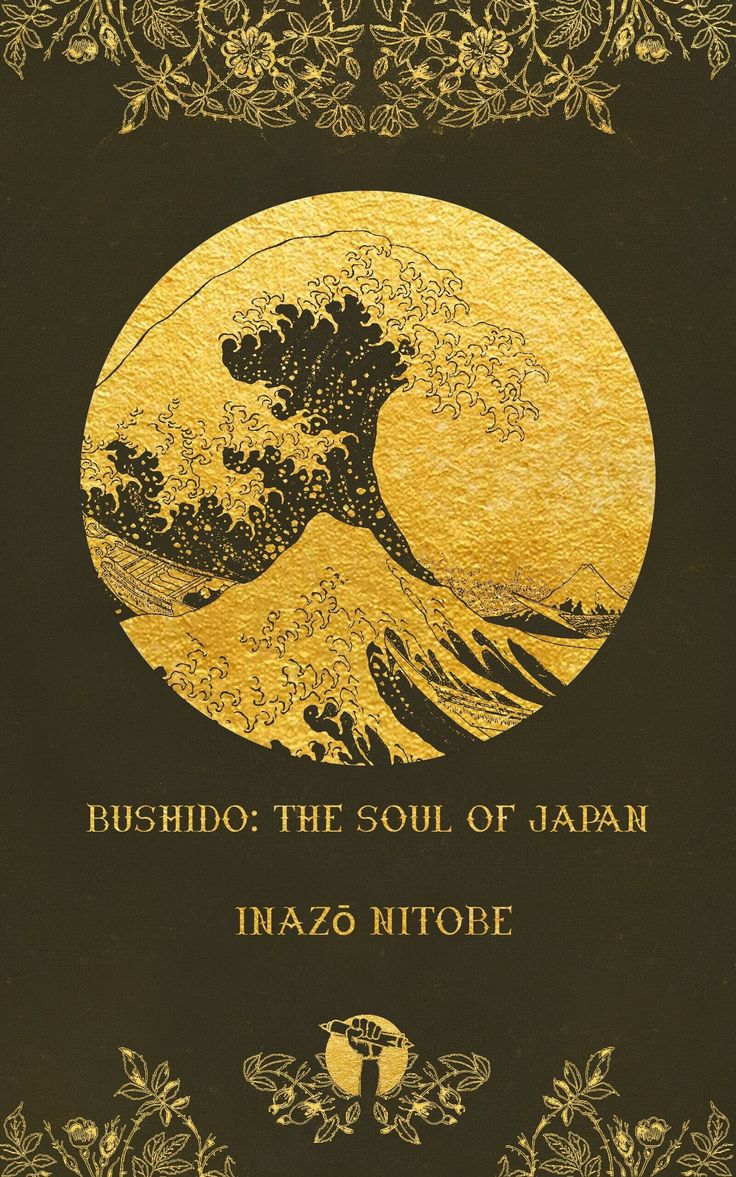
Bushido: The Soul of Japan — Inazo Nitobe (A romanticized,
late 19th-century text written for Western audiences)
The Book of Five Rings — Miyamoto Musashi (Focuses more on
strategy, but deeply reflects warrior philosophy)
Influence
Though the samurai class was abolished in the late 19th century, the
spirit of Bushidō was deliberately woven into the fabric of modern
Japanese national identity. It deeply influenced the code of conduct for
the Imperial Japanese military, modern Japanese corporate culture
(salaryman loyalty), and forms the ethical foundation of martial arts
like Kendo, Judo, and Aikido.
Common Misconception
Many believe Bushidō was an ancient, unchanging set of laws written down
at the dawn of the samurai era. In reality, during the peak periods of
samurai warfare (like the Sengoku period), betrayal and shifting
allegiances were common. Bushidō was largely codified and romanticized
much later, serving as an idealized ethical framework for warriors who
no longer had wars to fight.
Japanese Zen
Japanese Zen focuses on rigorous meditation and mindfulness to awaken
one's innate Buddha-nature, deeply influencing Japan's cultural
aesthetics.
While rooted in the Chinese Chan tradition, Japanese Zen evolved into a
distinctly powerful cultural and spiritual force after arriving in Japan
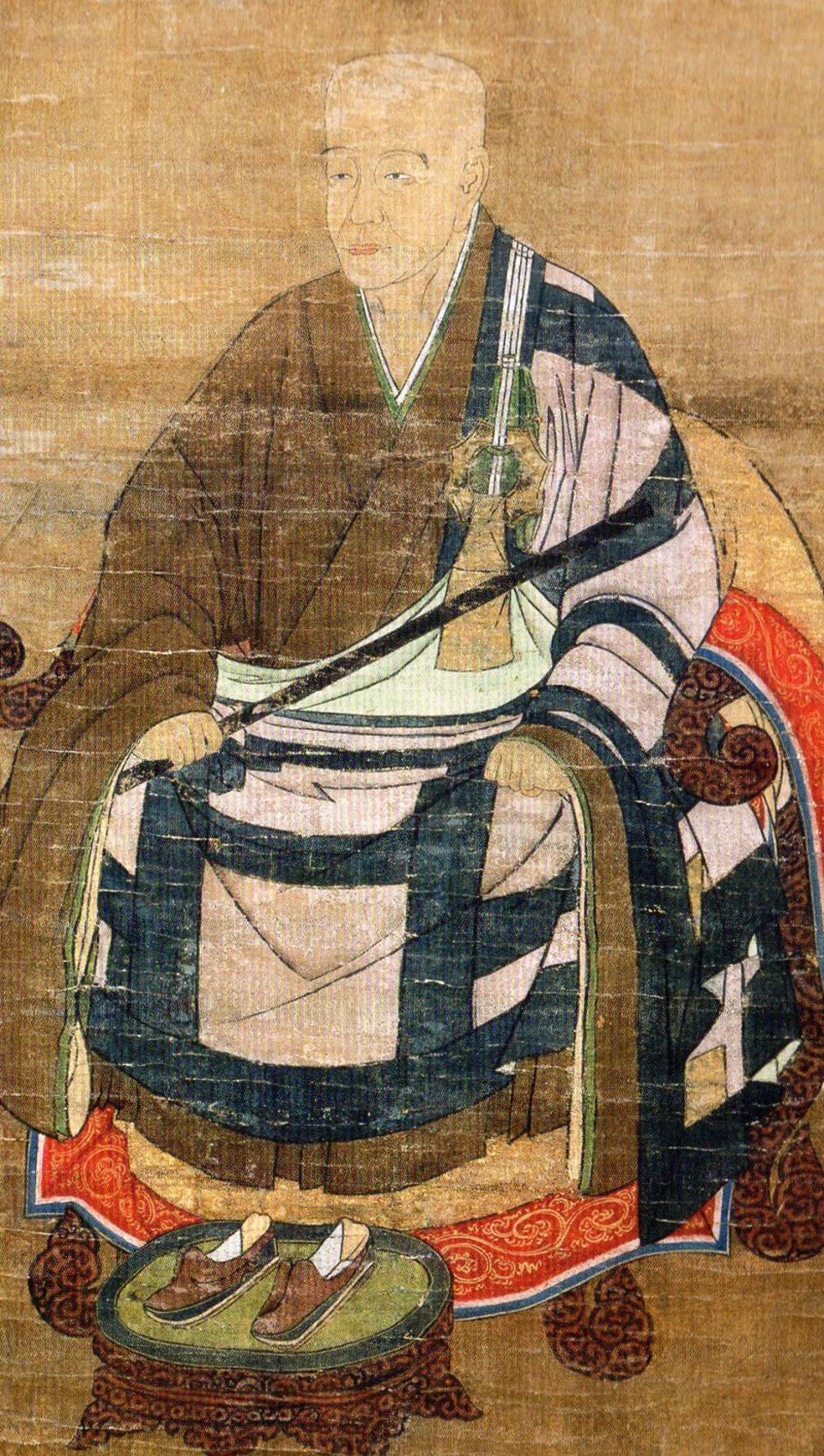
during the 12th and 13th centuries. Promulgated by masters like Eisai
(founder of the Rinzai school) and Dogen (founder of the Soto school),
Japanese Zen stripped away esoteric rituals and scriptural study.
Instead, it emphasized rigorous, uncompromising meditation (Zazen) as
the direct path to experiencing one's true nature and achieving Satori
(awakening).
The two major schools took slightly different approaches. Rinzai Zen was
quickly adopted by the samurai class, utilizing startling, illogical
paradoxes (Koans) to violently shatter dualistic thinking and provoke
sudden enlightenment. Soto Zen, championed by Dogen, focused on
Shikantaza ("just sitting"), teaching that the very act of
seated meditation is itself the realization of enlightenment, not merely
a means to an end. In both forms, Japanese Zen emphasizes integrating
deep mindfulness into every single action of daily life.
Key Principles
Zazen — precise, intensely focused seated meditation,
serving as the bedrock of all Zen practice
Shikantaza — "just sitting," a state of pure,
objectless awareness without striving for a goal
Satori / Kensho — sudden, experiential flashes of
awakening where one sees into their true, unconditioned nature
Mushin (No-Mind) — a state of mental clarity and
fluidity, free from the interference of ego and discursive thought
Major Works
Shobogenzo (Treasury of the True Dharma Eye) — Eihei Dogen
Zen Mind, Beginner's Mind — Shunryu Suzuki (A highly
influential modern exposition for the West)
Influence
Japanese Zen completely transformed the aesthetics of Japan. By valuing
simplicity, asymmetry, and the beauty of impermanence (Wabi-Sabi), Zen
monks profoundly influenced the Japanese tea ceremony (Sado), flower
arranging (Ikebana), rock gardening, Haiku poetry, ink painting
(Sumi-e), and traditional architecture.
Common Misconception
A frequent modern misconception is that Zen is fundamentally about
"relaxation" or escaping the stresses of the world. In traditional
Japanese monasteries, Zen practice is notoriously strict, physically
demanding, and hyper-vigilant. The goal is not passive relaxation, but
cultivating a razor-sharp presence that is fully engaged with the
reality of the present moment.
Explore Islamic & Persian Philosophy
Across the medieval Islamic world and Persia, philosophers engaged
deeply with questions of existence, reason, knowledge, ethics, and
revelation, while also engaging with earlier Greek philosophical
traditions.