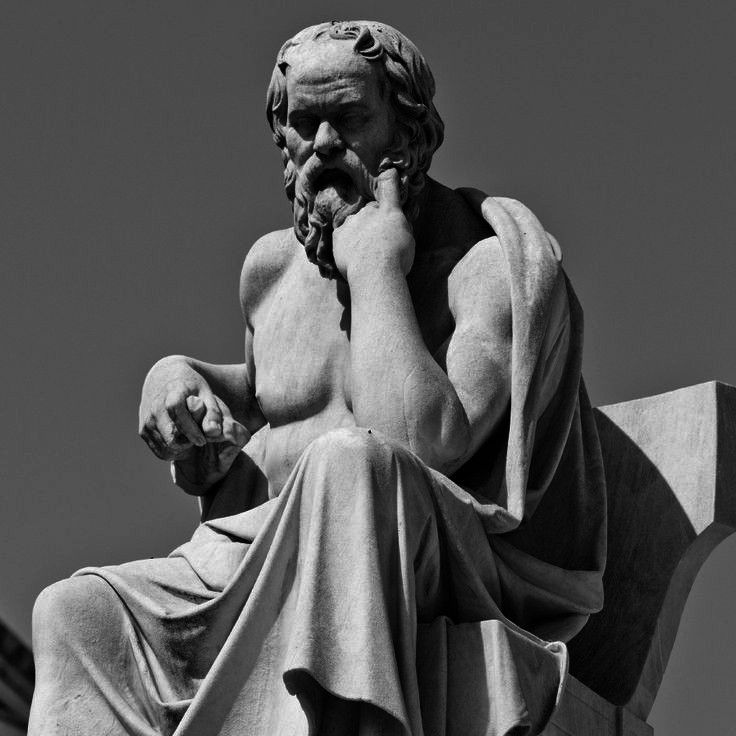
 ANCIENT GREECE
Socrates
The examined life
Explore thinker →Explore more than 2,500 years of philosophical thought — from Ancient Greece and India to China, the Islamic world, the Enlightenment, modern philosophy, and contemporary ideas.
What is real? What can we know? How should we live? What makes an action right, a belief true, or a life meaningful?
Philosophy is the sustained examination of fundamental questions about existence, knowledge, reason, morality, mind, language, society, and value. It is not simply a collection of answers. It is a way of examining the assumptions behind the answers we already have.
Across centuries and civilizations, philosophers developed different methods and traditions for confronting these questions. Their arguments continue to influence science, politics, ethics, religion, literature, education, and the way we understand ourselves.
Explore the Branches of PhilosophyThe major branches of philosophy approach different dimensions of the human search for understanding.
What ought we to do? Explore morality, virtue, responsibility, justice, and the good life.
What is ultimately real? Examine existence, reality, causation, time, identity, and being.
What can we know? Investigate knowledge, belief, truth, justification, doubt, and certainty.
How should we reason? Study arguments, inference, validity, consistency, and rational thought.
What is beauty? Explore art, beauty, taste, creativity, interpretation, and aesthetic experience.
Move beyond individual questions and discover the thinkers, traditions, books, schools, and historical periods that form the wider landscape of philosophical thought.
Meet the philosophers whose questions and arguments transformed the history of human thought.
Explore philosophical movements and traditions across cultures and centuries.
Discover influential works that gave philosophical ideas a lasting form.
Discover philosophical questions through stories, poetry, drama, and world literature.
Follow philosophy across more than two millennia, from ancient traditions to contemporary thought.
Across centuries and civilizations, philosophers have challenged assumptions, questioned certainty, and transformed the way human beings understand reality, knowledge, morality, and themselves.
Explore all thinkers
ANCIENT GREECE
The examined life
Explore thinker → ANCIENT GREECE
Reality, knowledge & the Forms
Explore thinker →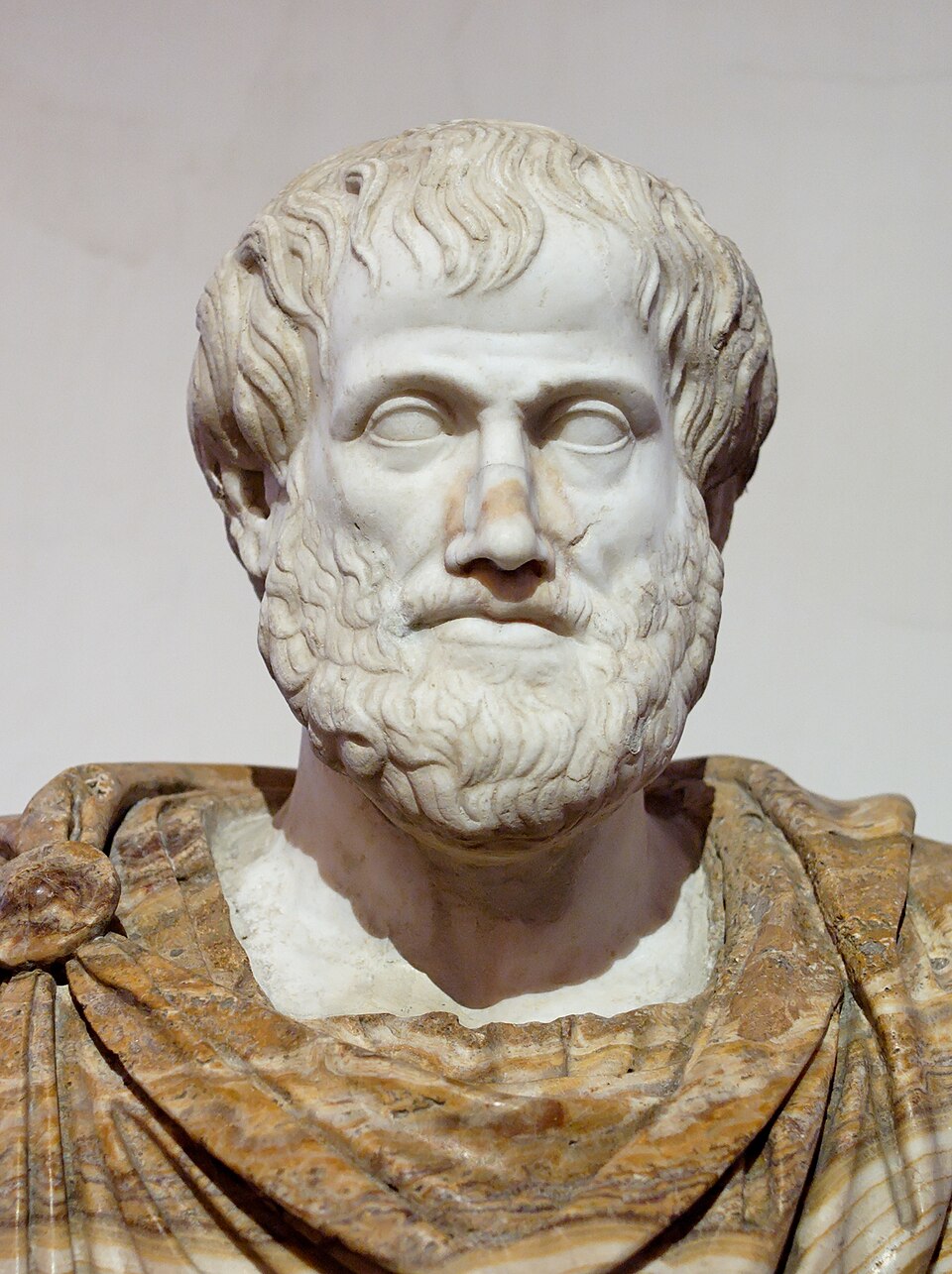 ANCIENT GREECE
Logic, virtue & the nature of things
Explore thinker →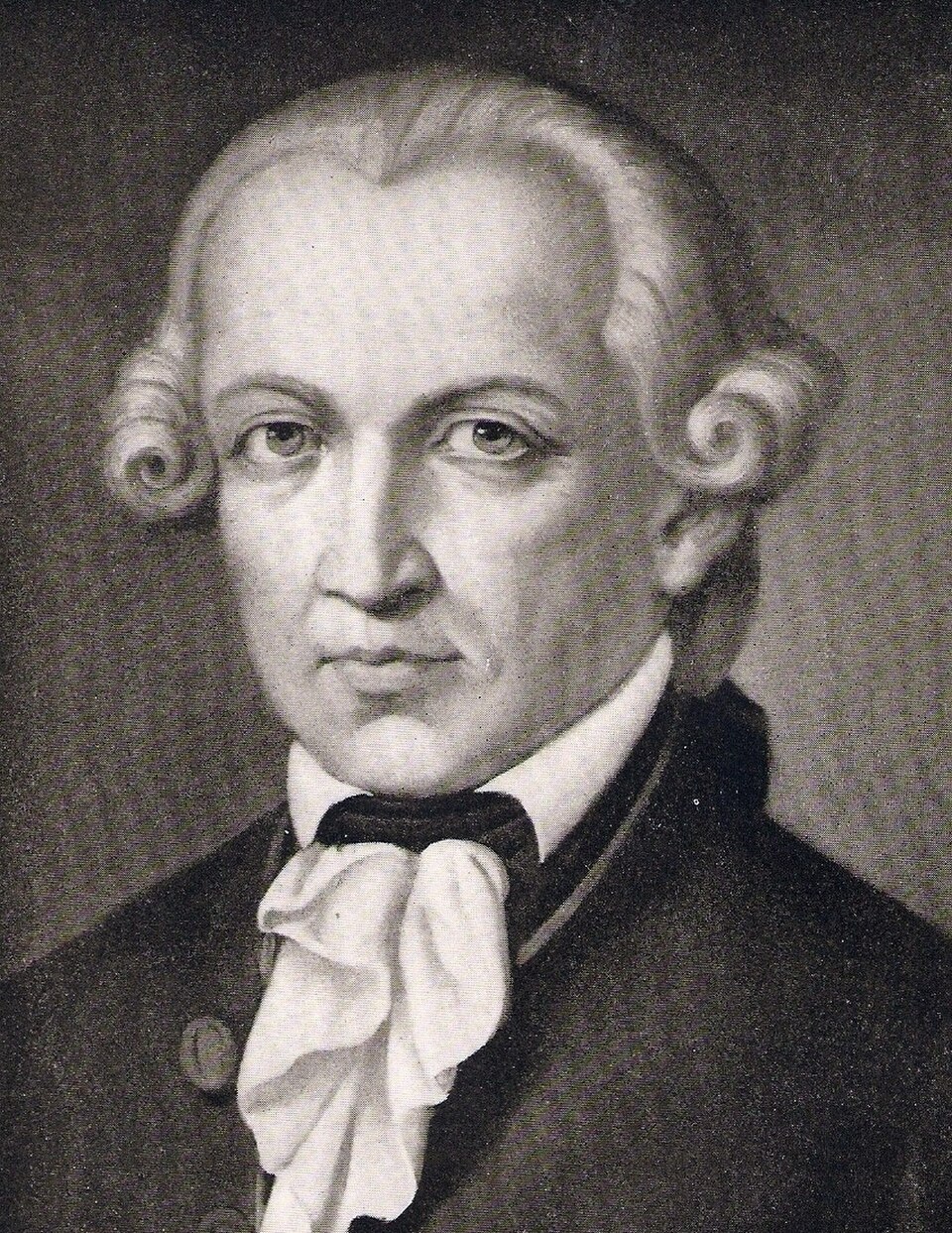 ENLIGHTENMENT
Reason, morality & human freedom
Explore thinker →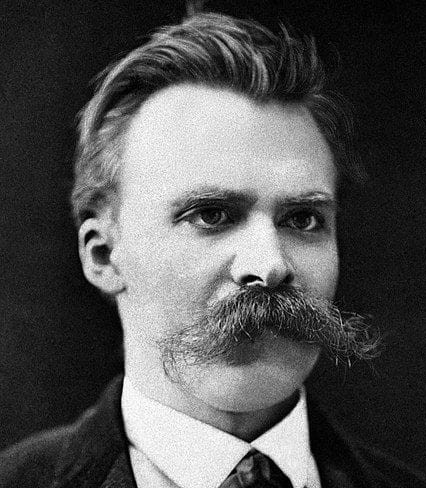 MODERN PHILOSOPHY
Values, nihilism & the revaluation of life
Explore thinker → ENLIGHTENMENT
Knowledge, liberty & natural rights
Explore thinker →Philosophical inquiry emerged in different intellectual environments, responding to different questions and forms of human experience.
Suffering, impermanence, consciousness, liberation, and the path toward awakening.
Explore → ANCIENT GREECECynicism, simplicity, freedom, self-sufficiency, and the rejection of conventional values.
Explore → ANCIENT CHINAVirtue, education, social harmony, moral cultivation, and the responsibilities of human relationships.
Explore → EARLY MODERN PHILOSOPHYDoubt, reason, consciousness, mind and body, certainty, and the foundations of modern philosophy.
Explore → MODERN PHILOSOPHYClass, labor, capitalism, ideology, alienation, and the transformation of society.
Explore → CONTEMPORARY PHILOSOPHYAbsurdity, freedom, rebellion, meaning, and the challenge of living without ultimate certainty.
Explore →You don't need to know where to begin.
Start with accessible philosophical books, foundational questions, major thinkers, and introductory ideas. Build your understanding gradually and follow whichever questions make you want to keep reading.
Start ReadingSome philosophical ideas are best encountered not only through reading, but through seeing, listening, and reflecting. Explore Nietzsche's famous declaration that “God is dead” and the philosophical challenge behind it.
Philosophy begins with questions. Explore clear answers to some of the most common questions about philosophical ideas, branches, thinkers, traditions, and the study of philosophy.
Philosophy is the systematic study of fundamental questions about reality, knowledge, reason, morality, existence, consciousness, and value. Philosophers examine assumptions, construct and evaluate arguments, clarify concepts, and investigate questions that often cannot be settled by observation alone. The word philosophy is traditionally associated with the pursuit or love of wisdom, and philosophical inquiry has developed across many civilizations and intellectual traditions.
Explore the branches of philosophy →The five traditional core branches are metaphysics, epistemology, ethics, logic, and aesthetics. Metaphysics investigates reality, existence, and what it means for something to be real. Epistemology examines knowledge, belief, justification, and certainty. Ethics studies morality and questions about how we ought to live. Logic examines reasoning and valid inference, while aesthetics explores beauty, art, taste, and aesthetic value.
Explore the five branches →Philosophy has been shaped by thinkers from many historical periods and cultural traditions. Important figures include Socrates, Plato, Aristotle, Buddha, Confucius, René Descartes, Immanuel Kant, Karl Marx, Friedrich Nietzsche, and Albert Camus. Their ideas address questions concerning ethics, knowledge, reality, politics, consciousness, freedom, society, and the meaning of human existence.
Meet the great thinkers →A beginner can start by learning the major branches of philosophy and then exploring important thinkers and historical traditions. Introductory material can provide useful context before moving into difficult primary texts. It is also helpful to follow the questions and arguments behind philosophical ideas rather than simply memorizing names and theories. Reading widely across different traditions can reveal how philosophers have approached similar human questions in very different ways.
Explore the philosophy library →Metaphysics is the branch of philosophy concerned with fundamental questions about reality and existence. It asks what kinds of things exist, what it means for something to be real, and how different aspects of reality might be related. Philosophical discussions of causation, time, identity, possibility, consciousness, and the nature of being are often considered metaphysical questions.
Enter metaphysics →Epistemology is the philosophical study of knowledge. It examines questions about what knowledge is, how beliefs can be justified, whether certainty is possible, and what limits human knowledge may have. Questions concerning perception, reason, evidence, skepticism, truth, and justified belief are central to epistemological inquiry.
Explore epistemology →Ethics is the branch of philosophy concerned with morality and questions about how people ought to act and live. Ethical philosophy examines concepts such as good and evil, right and wrong, virtue, duty, justice, responsibility, and the good life. Different ethical theories offer different approaches to determining what makes an action or way of living morally justified.
Explore ethics →Existentialism is a broad philosophical tradition associated with questions about existence, freedom, responsibility, choice, anxiety, authenticity, and meaning. Existentialist thinkers explored how individuals confront a world in which certainty and predetermined meaning may be absent or contested. Thinkers associated with existentialist philosophy include Søren Kierkegaard, Friedrich Nietzsche, Jean-Paul Sartre, and Albert Camus, although their positions differ significantly.
Explore philosophical schools →No. Philosophy has developed across numerous civilizations and intellectual traditions. Ancient Indian, Chinese, Greek, Islamic, Jewish, African, and other traditions have developed sophisticated approaches to questions concerning reality, knowledge, morality, society, consciousness, and human flourishing. Studying philosophy across civilizations provides a broader view of the different ways human beings have approached fundamental questions.
Explore philosophy through history →Philosophy encourages careful examination of assumptions, arguments, concepts, and values. It develops habits of critical thinking and asks people to consider not only what they believe, but why they believe it. Philosophical inquiry has influenced fields including science, politics, law, education, literature, mathematics, and ethics, while continuing to provide frameworks for examining fundamental questions about human life and the world.
Continue exploring philosophy →Explore the history of ideas, discover the thinkers behind them, and find the questions that continue to shape how we understand ourselves and the world.
Enter the Library